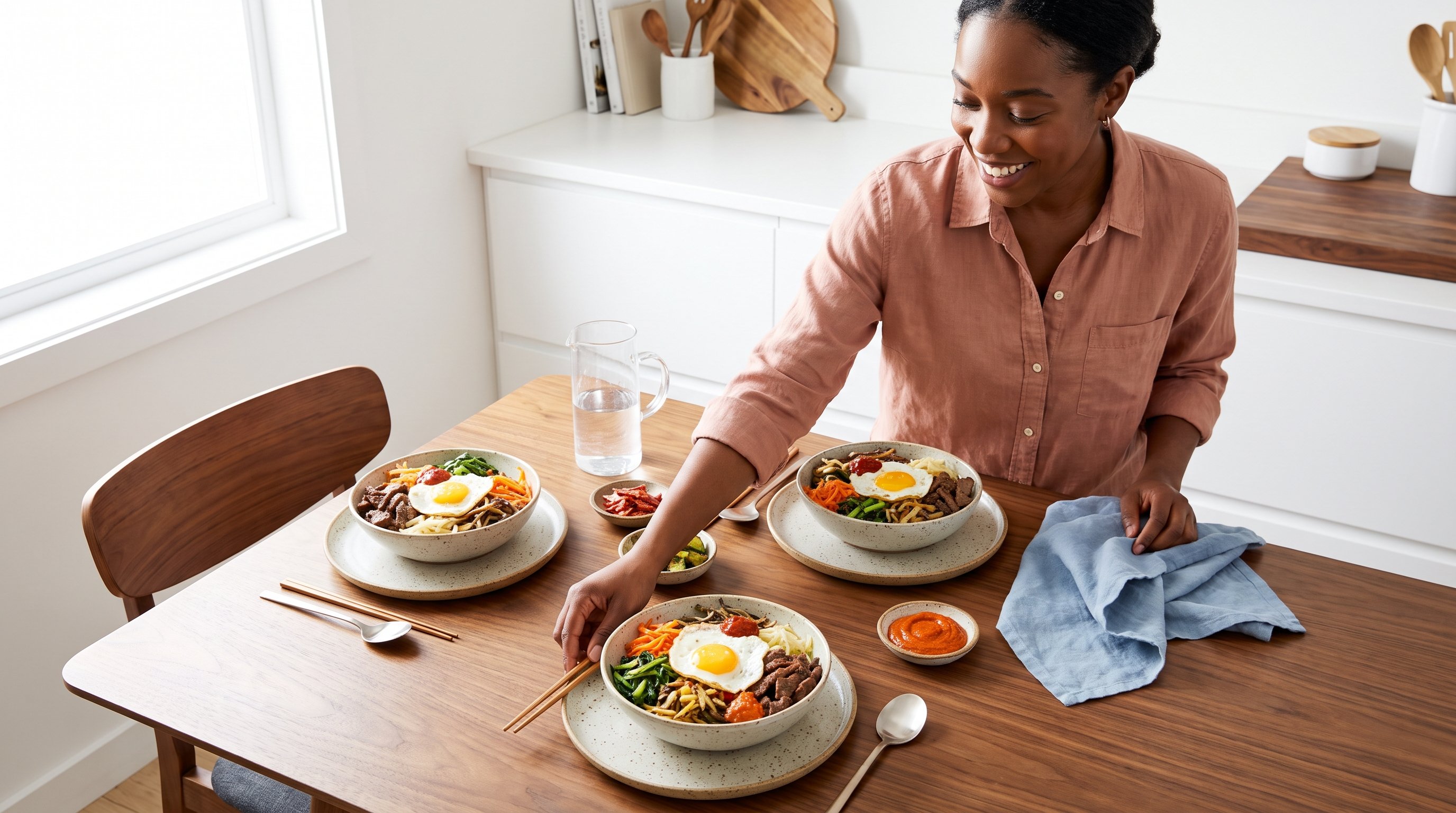
How to Meal Prep for the Week: A Simple System That Sticks
By:Author:K-Diet Editorial
Updated on:October 18, 2026
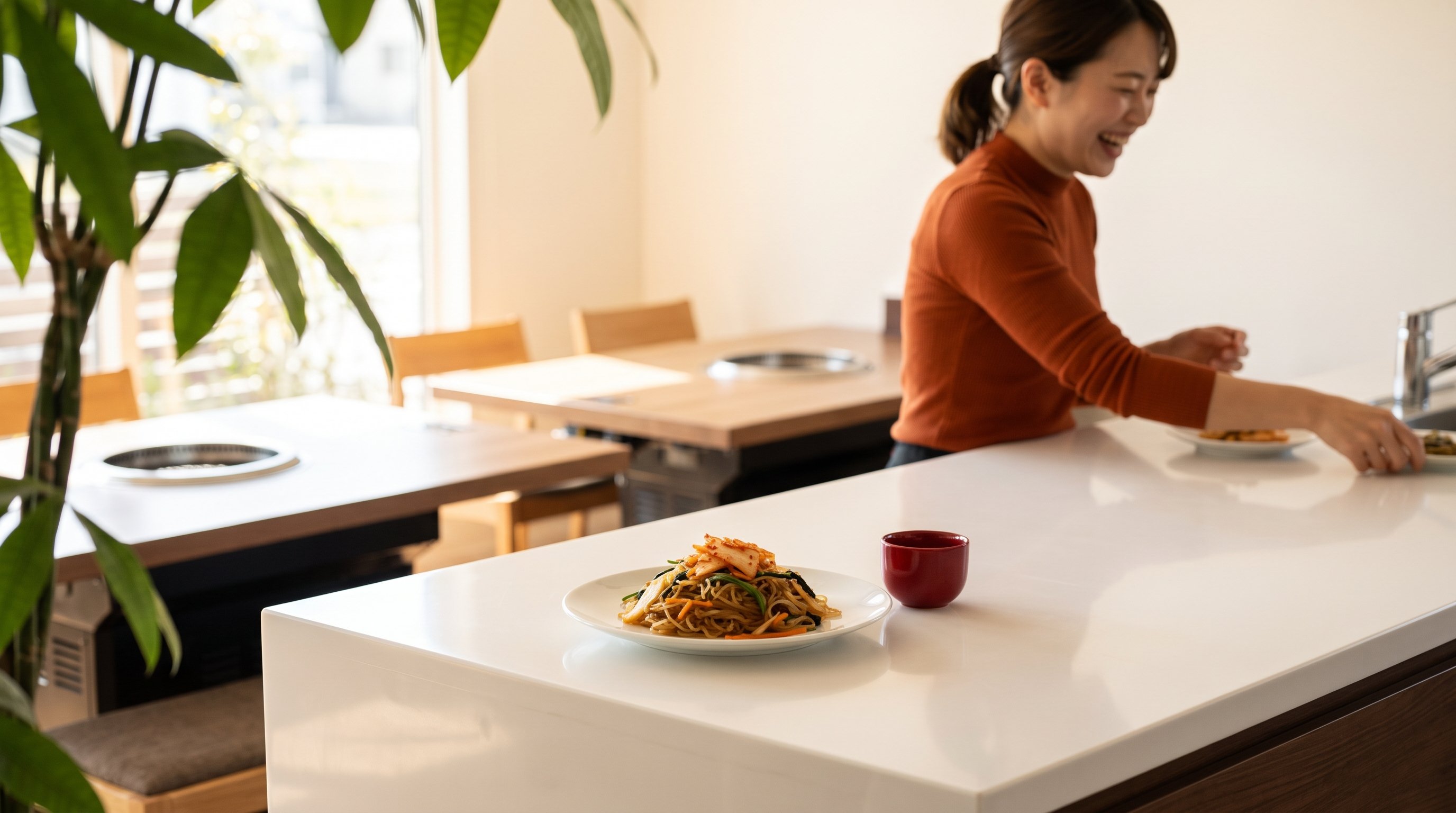
- Does Weekly Meal Prep Actually Save You Time?
- Batch Cooking vs Cooking Fresh Every Night
- Why Prepping Ahead Beats Cooking From Scratch Daily
- Who Weekly Meal Prep Actually Works For
- Making Meal Prep Fit a Week That's Already Full
- Can Meal Prep Target Weight Loss on Its Own?
- Letting K-Diet Simplify Weekly Meal Prep
- Turning One Prep Session Into a Weekly Habit
Meal prepping for the week means cooking a batch of meals in one or two sittings so the rest of the week only needs reheating, not deciding. The direct answer: pick 2-3 recipes, cook them once, portion them into containers, and the daily question of what to eat basically disappears.
The mechanism is simple. Decision fatigue is what usually derails eating well on a weeknight, and prepping removes the decision from the equation entirely by moving it to a single calmer block of time.
This article covers whether meal prep actually works, how it stacks up against cooking from scratch every night, who it suits, and how to fit it into a week that is already full.
Does Weekly Meal Prep Actually Save You Time?
Yes, and the arithmetic is straightforward. If a single dinner takes 35 minutes to cook from scratch - chopping, cooking, cleaning - then cooking seven separate dinners across the week adds up to around four hours of kitchen time.
Prep that same food in two sessions of 90 minutes each, and the total drops to three hours, with most of that time spent on one or two days instead of spread thin every evening.
The saving is not just in minutes. It is in how many times during the week you have to stop and think about what to cook, which for most people is the part that actually wears them down.
None of this requires special equipment or an unusual schedule. It just requires batching the cooking step so it happens once instead of daily.
Batch Cooking vs Cooking Fresh Every Night
This is the real decision most people are weighing: prep everything in advance, or cook something fresh each evening.
Neither is wrong. The table below lays out where each approach tends to win.
| Factor | Weekly Prep | Cooking Fresh |
|---|---|---|
| Weeknight time needed | Minutes to reheat | 30-40 minutes |
| Decisions per week | One or two | Up to seven |
| Food variety | Fixed once chosen | Flexible day to day |
| Grocery trips | Usually one | Often several |
| Risk of skipping a meal | Lower, food is ready | Higher on busy days |
Prepping trades some day-to-day flexibility for fewer decisions and a lower chance of skipping a meal altogether.
Why Prepping Ahead Beats Cooking From Scratch Daily
Cooking fresh every night sounds appealing in theory, but it asks you to show up with energy and motivation seven times a week, not once.
That is a lot to ask after a long day, and it is exactly where plans fall apart - not because the food was wrong, but because nobody feels like chopping onions at 7pm on a Thursday.
Meal prep sidesteps that by front-loading the effort when you actually have the time and energy for it, often a Sunday afternoon or a quiet weekday evening.

The food itself does not need to be complicated. A simple rotation of grains, protein and vegetables, cooked once and combined differently through the week, holds up fine against something more elaborate made fresh daily.
Who Weekly Meal Prep Actually Works For
If You're New to Cooking
Start with one or two recipes you already know you like, not five new ones at once. Two dependable meals, repeated, beats a prep session that falls apart because every recipe is unfamiliar.
If Your Week Is Packed
Pick recipes that reheat well and portion everything into grab-and-go containers the same day you cook. The goal is zero thinking required between Monday and Friday.

If You're Cooking for Just One Person
Smaller batches, more often - say, a prep session every three or four days instead of one big Sunday cook - cuts down on food sitting in the fridge too long and keeps meals tasting fresher.
If You've Tried Prepping Before and Quit
The usual problem is choosing recipes that are too ambitious or too similar to last week's, leading to boredom by Wednesday. Rotating two or three bases - rice, noodles, a grain bowl - with different proteins and vegetables keeps things interesting without adding extra cooking time.
Making Meal Prep Fit a Week That's Already Full
The honest truth is most prep plans fail not because the cooking is hard, but because the planning step gets skipped - nobody decides what to buy, so nobody preps.
A plan built around food you already like removes that friction, because the deciding is done for you before you even walk into the kitchen.
This is where a meal plan with Korean-inspired recipes tailored to your goals and preferences earns its keep - K-Diet gives you the recipe and the shopping list together, so the Sunday session starts with a plan instead of an open fridge and a question mark.
Pair that with a tracker for water, steps and weight in one place, and the whole week - not just the eating part - gets easier to stay on top of.
Can Meal Prep Target Weight Loss on Its Own?
No single way of cooking targets fat anywhere in particular, and meal prep is no exception - the body does not let you choose where results show up.
What prepping actually does is make it easier to hold a consistent eating pattern, because the food is already there and the tempting takeaway order is one less decision away from happening.
That consistency, kept up over time, is the real mechanism - not the act of prepping itself, and not any single ingredient in the containers.
Anyone promising an overnight shift from batch cooking alone is overselling it. The honest version is slower and less dramatic: steadier habits, held for longer, tend to add up.
Letting K-Diet Simplify Weekly Meal Prep
Once the planning and shopping list are sorted, the actual prepping gets a lot less daunting.
K-Diet's library of over 1,000 Korean diet recipes means the weekly rotation does not have to repeat itself constantly, and each recipe is matched to your goals so you are not guessing at portions or ingredients.
Nutrition and health guides sit alongside the recipes too, covering practical cooking and lifestyle questions, so the app works as a reference as well as a recipe box.
Eat Korean, Lose Weight
Your Korean Diet Plan
Turning One Prep Session Into a Weekly Habit
Pick a single prep day, keep the recipe list short, and treat the first few weeks as practice rather than a finished routine.
K-Diet can carry the planning side of that - the recipes, the structure, the tracking - so the actual effort each week is just the cooking itself, nothing more.
FAQ
It can help indirectly, by making it easier to stick to a consistent eating pattern instead of relying on whatever is quickest at the end of a long day. On its own it does not guarantee a result, but it removes one of the biggest obstacles to consistency.
Most dishes hold up fine for three to four days in the fridge, especially grain bowls, soups and roasted vegetables. Texture can change slightly, but the nutritional value does not disappear just because a meal was cooked a day or two earlier.
Shorter, more frequent sessions work too - prepping two days' worth at a time still cuts out daily decision-making, just in smaller chunks. Even prepping one component, like a grain or a protein, saves time without requiring a full afternoon.
Boredom from repeating the same two meals too often, or choosing recipes that are too ambitious for a weeknight. K-Diet's recipe variety helps keep the weekly rotation from feeling repetitive, which tends to be the actual reason people stop.
Share this post