Beginner Home Workout: The Honest Guide To Starting Out
By:Author:K-Diet Editorial
Updated on:October 18, 2026
- Can a Beginner Home Workout Really Build Fitness?
- Home Workout vs Gym Membership: Which One Fits?
- Why Training at Home Beats Forcing Yourself to the Gym
- Who a Beginner Home Workout Actually Suits
- Making a Home Routine Work Around a Real Week
- Can a Home Workout Target Fat in One Spot?
- Letting K-Diet Guide Your First Home Sessions
- Turning a Few Home Sessions Into an Actual Habit
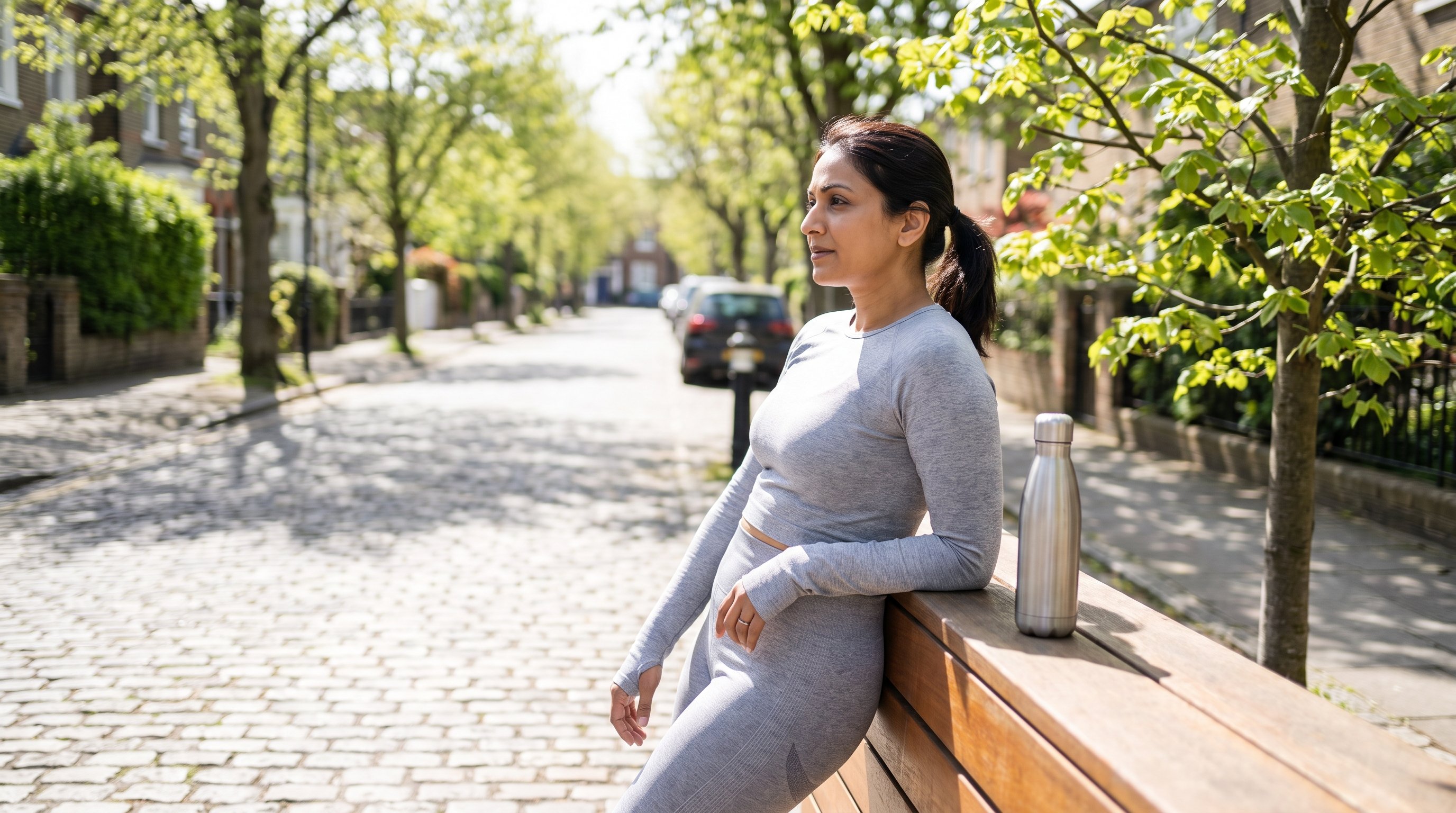
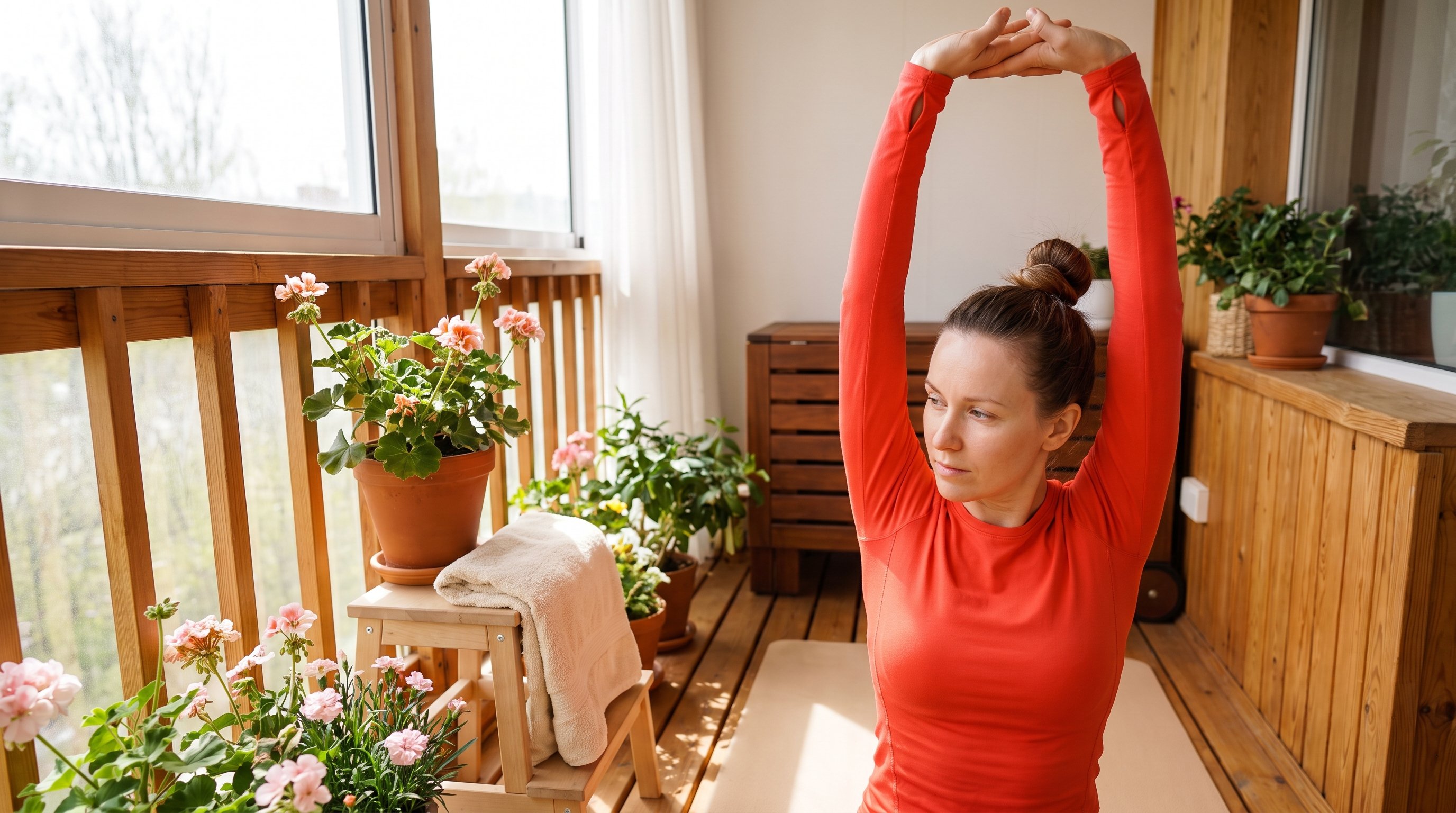
A beginner home workout works the same way any workout does: it asks your muscles to do more than usual, and your body adapts over time. No equipment, gym fees or commute required - just a bit of floor space and a reason to show up.
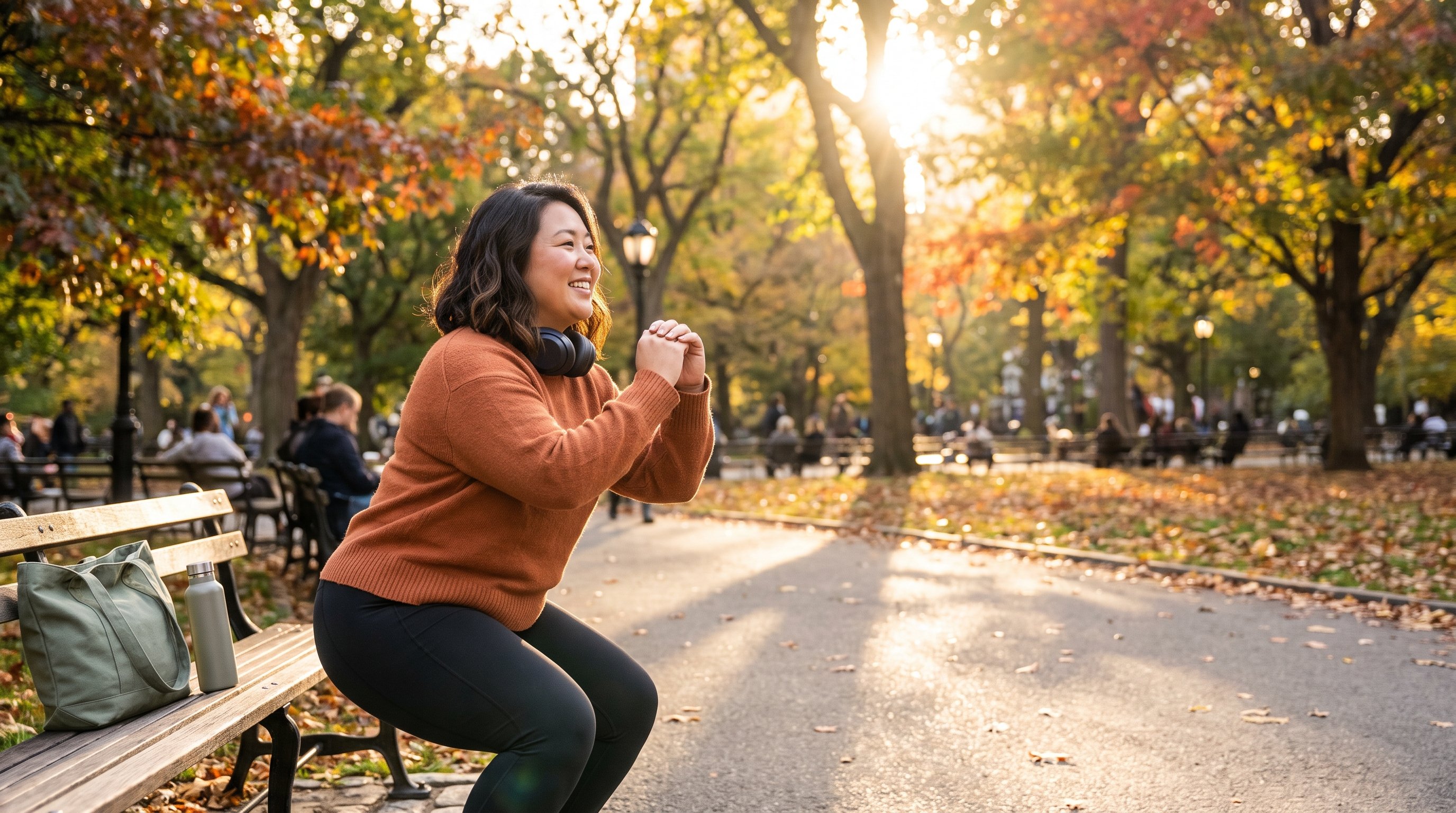
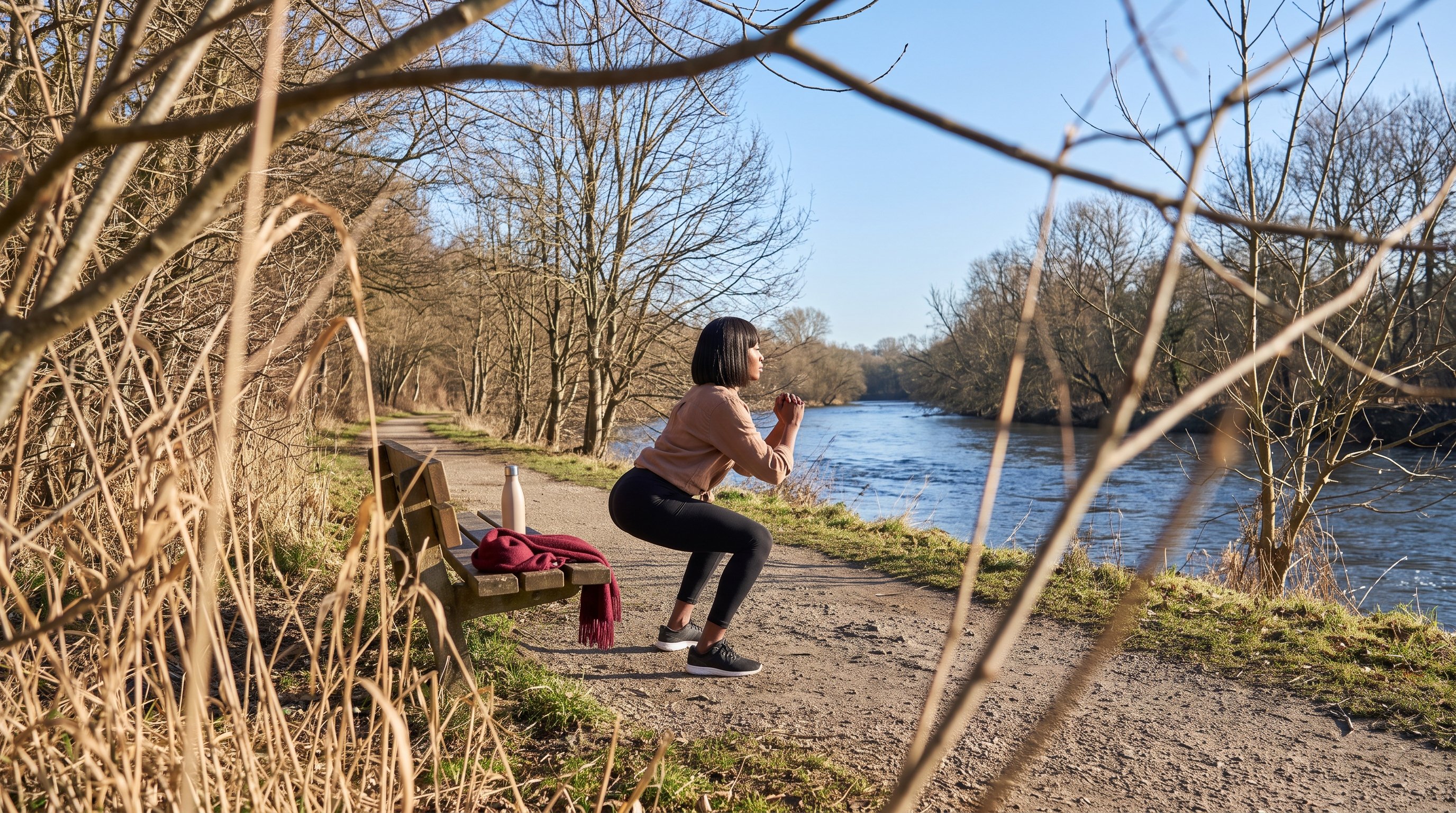
The mechanism is simple. Bodyweight moves like squats, push-ups and lunges create enough resistance to challenge untrained muscles, and that challenge is what drives the adaptation, not the postcode you do it in.
This guide covers whether home training actually works, how it stacks up against a gym, who it suits best, and how to build a routine that survives a busy week.
Can a Beginner Home Workout Really Build Fitness?
Yes, and the arithmetic is fairly plain. A muscle doesn't know whether resistance comes from a barbell or your own bodyweight - it only knows whether it's being asked to work harder than it's used to.
For someone who's never trained before, bodyweight squats, push-ups against a wall or counter, and glute bridges are already above baseline, so they count as real training load.
Why Beginners Respond Fast
Untrained muscles adapt quickly to almost any added demand, which is why a simple routine can feel noticeably harder in week one and more manageable by week three.
That early progress isn't a trick - it's just how far below capacity most beginners are starting from, and it's one reason home training is a sensible entry point rather than a compromise.
Home Workout vs Gym Membership: Which One Fits?
Both routes can build fitness. The real question is which one you'll actually keep doing when the week gets messy.
| Factor | Home Workout | Gym Membership |
|---|---|---|
| Setup time | None, start anytime | Travel plus changing |
| Cost | Free or near-free | Monthly membership fee |
| Equipment needed | Bodyweight, optional mat | Machines and weights |
| Privacy | Fully private | Shared public space |
| Flexibility | Any time, any room | Fixed opening hours |
Neither column is wrong. A home workout just removes most of the friction that usually gets in the way before you've even started.
Why Training at Home Beats Forcing Yourself to the Gym
The gym isn't harder because the equipment is better - it's harder because it adds steps between you and the workout: packing a bag, driving, waiting for a machine.
A beginner home workout cuts straight to the exercise, and fewer steps between intention and action means more sessions actually happen.
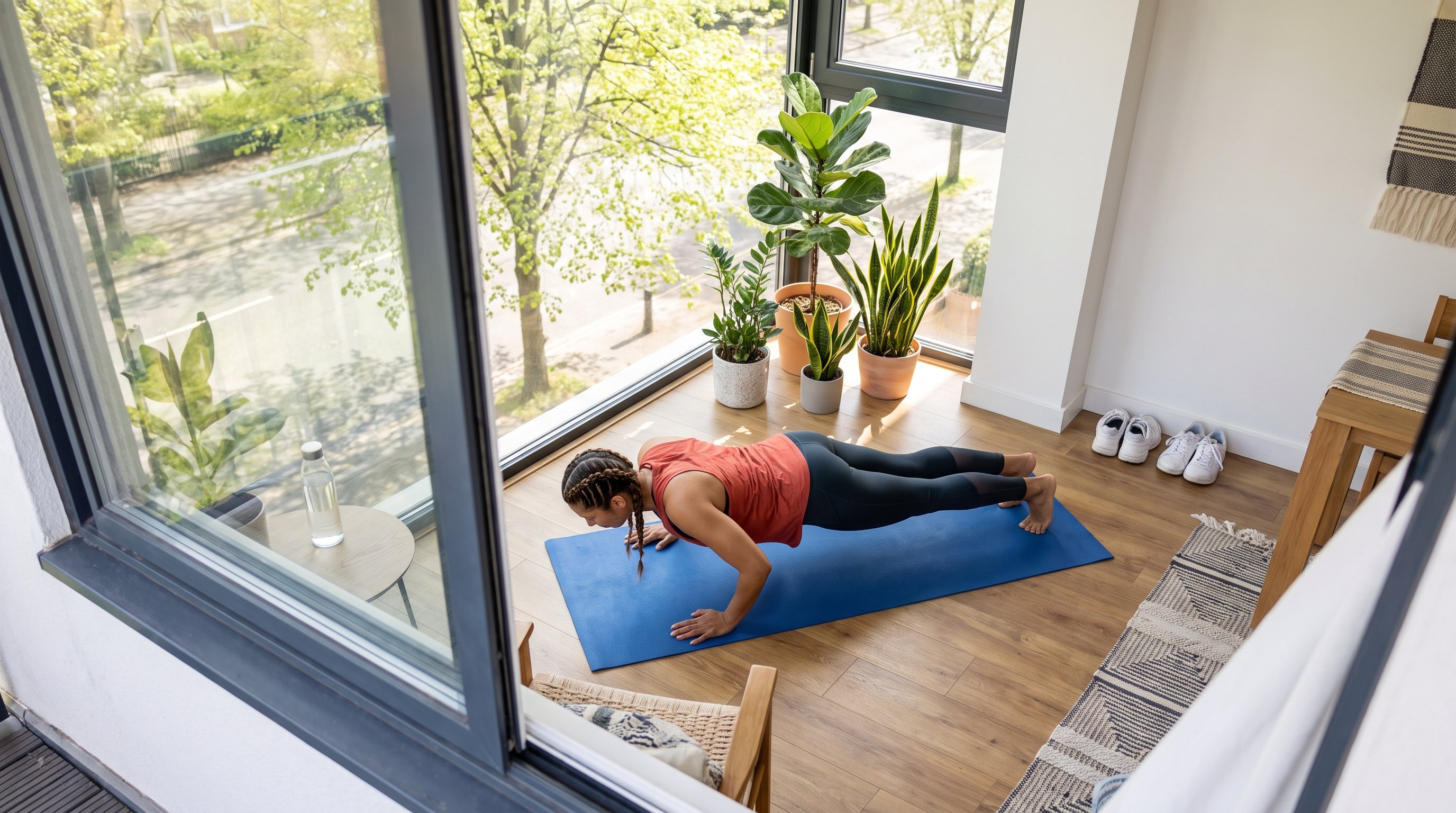
Consistency is unglamorous and it wins anyway. Three short home sessions a week, done for months, will outperform an ambitious gym plan that gets skipped half the time, simply because the total work done adds up higher.
That's not a knock on gyms. It's just an honest look at which option removes more excuses for someone starting from zero.
Who a Beginner Home Workout Actually Suits
Complete Beginners
If you've never followed a routine before, starting at home lets you learn basic movement patterns like squatting and hinging without an audience, which makes early sessions far less intimidating.
Busy Schedules
For anyone juggling work and family, a 20-30 minute home session slots into a lunch break or before the household wakes up, with zero travel time added on either end.

Older Adults
Bodyweight moves can be scaled down easily - a chair-assisted squat or a wall push-up gives the same adaptation signal with less joint strain, and progress can be adjusted at your own pace.
Returning After a Break
If you used to train and stopped, home workouts are a low-pressure way back in, since there's no need to match a past fitness level in front of anyone.
Making a Home Routine Work Around a Real Week
The honest barrier to a home workout isn't knowledge, it's motivation on an ordinary Tuesday when the sofa is right there.
Having a short routine written down in advance, instead of deciding fresh each day, removes a lot of that friction.
This is where a library of 100+ workouts and exercises comes in - simple bodyweight sessions and guided routines you can pick from without having to plan one yourself.
Pairing a short workout with progress tracking for steps, weight and water also means you're not relying on memory to see whether the week actually went well.
Can a Home Workout Target Fat in One Spot?
No, and this is worth saying plainly: no amount of ab exercises reaches into one area and burns the fat sitting there.
The body decides where it releases stored fat from based on its own patterns, not on which muscle you just worked.
What a consistent home workout does do is build strength and raise overall activity, which supports the kind of calorie balance that affects fat across the whole body over time, not one targeted zone.
So squats will build stronger legs, and push-ups will build a stronger chest and arms - that's the honest promise, and it's a solid one.
Letting K-Diet Guide Your First Home Sessions
Starting a routine alone usually means guessing at reps, sets and rest, which is where plenty of good intentions quietly stall.
K-Diet removes that guesswork with guided workouts built for people starting out, plus nutrition and health guides written by nutrition experts, personal trainers and psychologists, so the exercise side and the eating side aren't working against each other.
The app also keeps a meal plan built around food you already like running alongside the workouts, so the two parts of the equation stay connected instead of living in separate apps or notebooks.
Eat Korean, Lose Weight
Your Korean Diet Plan
Turning a Few Home Sessions Into an Actual Habit
The best beginner home workout is the one that still happens on a tired, busy day, not the one that looks most impressive on paper.
Pick two or three short sessions this week, write down exactly when they'll happen, and let tracking tools show you the pattern building up over time.
FAQ
A home workout raises your activity level and builds strength, both of which support a calorie deficit, but the eating side of the equation still carries most of the weight. Pairing movement with sensible food choices is what makes the combination work.
Not for a beginner - untrained muscles respond to bodyweight resistance just as readily as to weights, since the signal that drives adaptation is effort relative to your current level. The gym becomes more useful later, once bodyweight alone stops providing enough challenge.
Most beginner routines need little more than space to lie down and stretch your arms out, so a small room or even a hallway is usually enough. Equipment isn't the limiting factor at this stage, consistency is.
One missed week doesn't undo earlier progress, it just pauses it, and picking the routine back up is usually easier than people expect. K-Diet's tracking tools make it simple to see where things dropped off and pick straight back up without starting from scratch.
Share this post