Exercises for Longevity: A Simple Plan That Adds Up Over Years
By:Author:K-Diet Editorial
Updated on:October 18, 2026

- Does Exercising for Longevity Actually Work?
- How Strength and Steps Work Together for Longevity
- How Many Sessions a Week Actually Count for Longevity
- Why Consistent Movement Beats Occasional Intense Training
- Fitting Longevity Exercises Into a Full Week
- Can One Workout Reverse Years of Inactivity Overnight?
- What Actually Changes Your Longevity Results
- Mistakes That Quietly Undo a Longevity Routine
- How K-Diet Supports Exercises for Longevity
- Building a Longevity Routine That Outlasts a New Year's Resolution
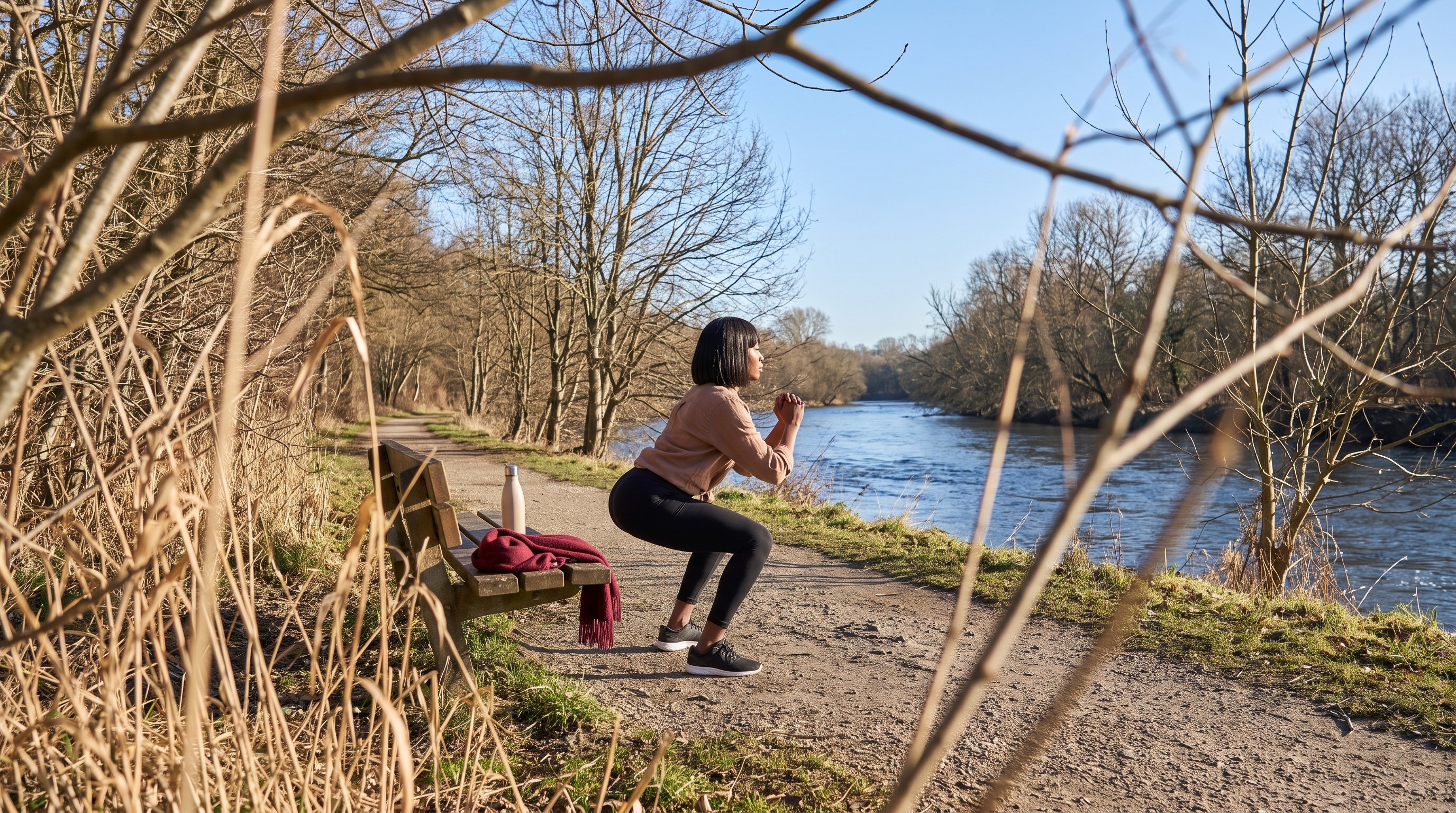
Exercises for longevity are simply the ones that keep your muscles, heart and balance working well for decades - a mix of strength training, daily walking and mobility work, done consistently rather than intensely.
The mechanism is plain: muscle mass and cardiovascular fitness both decline with age unless something pushes back against that decline, and regular movement is the thing that pushes back.
This article covers what the evidence of mechanism actually supports, how often you need to train, why the simple approach beats the extreme one, and how to fit it into a normal week.
Does Exercising for Longevity Actually Work?
Muscle tissue responds to load - use it against resistance and the body maintains or rebuilds it, leave it unused and it gradually shrinks.
The same goes for your heart and lungs: move at a pace that raises your breathing rate regularly, and that system stays more capable than if it never gets asked to work.
Here's the honest arithmetic - if you currently do zero structured movement and add two strength sessions plus daily walking, you've gone from asking your muscles and heart to do almost nothing to asking them to work several times a week.
That's not a guarantee of any specific outcome, and nobody can promise you a number or a date. What it does is stack the mechanical odds in your favour, week after week.
How Strength and Steps Work Together for Longevity
Longevity-focused movement isn't one thing - it's a combination of two different mechanisms working on different systems.
Strength Training Protects Muscle and Bone
Lifting your own bodyweight or light resistance against gravity signals your body to maintain muscle fibre and bone density, both of which matter more as the years go on, not less.
Daily Movement Protects Your Heart and Joints
Walking, light cardio and mobility work keep your joints moving through their full range and your cardiovascular system doing regular, moderate work instead of sitting idle most of the day.
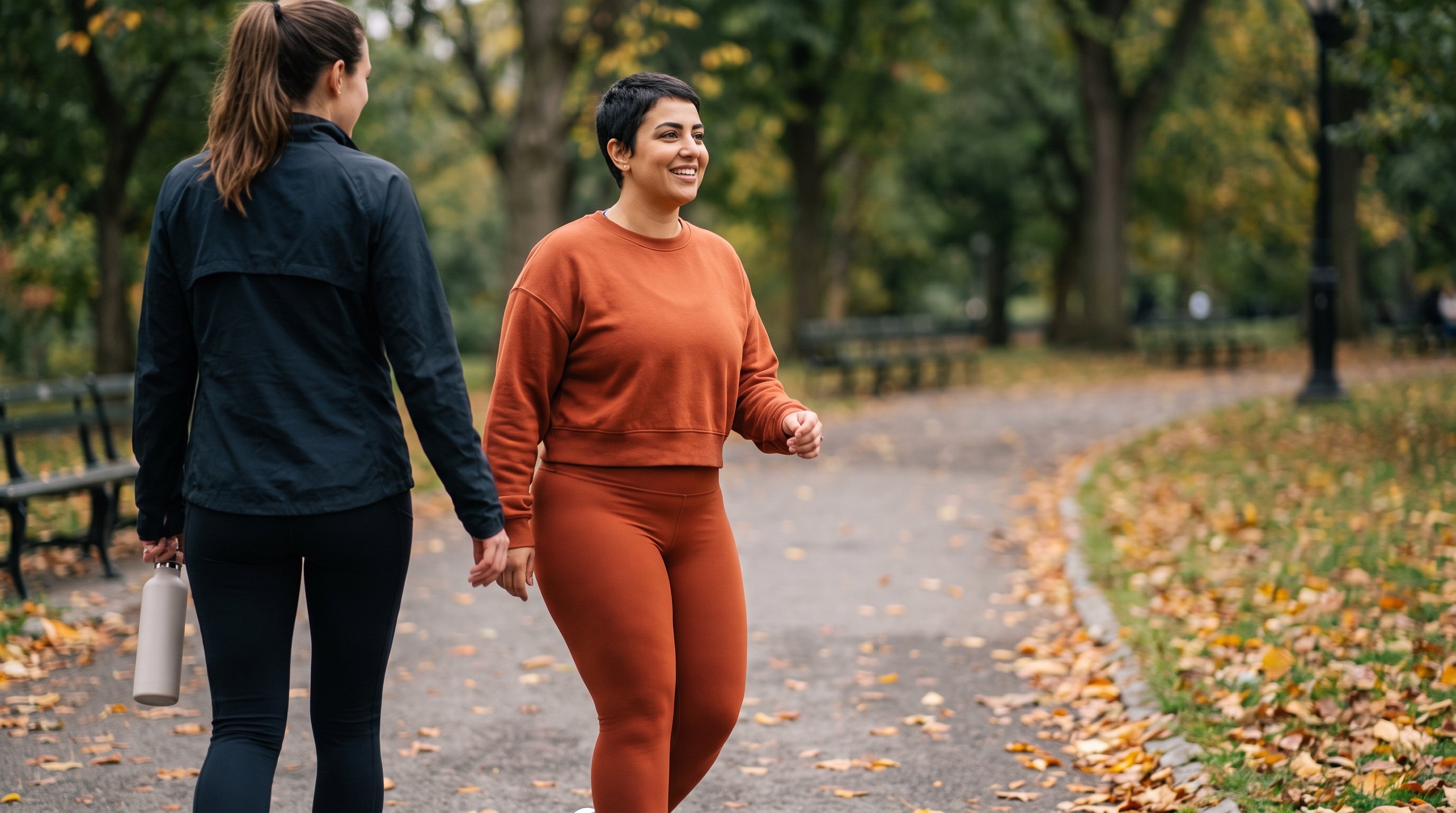
Neither mechanism replaces the other - strength without any walking leaves your cardiovascular system under-worked, and walking without any strength work leaves your muscle mass unprotected.
How Many Sessions a Week Actually Count for Longevity
You don't need hours a day - you need a pattern you can repeat for years.
A Weekly Pattern You Can Actually Hold
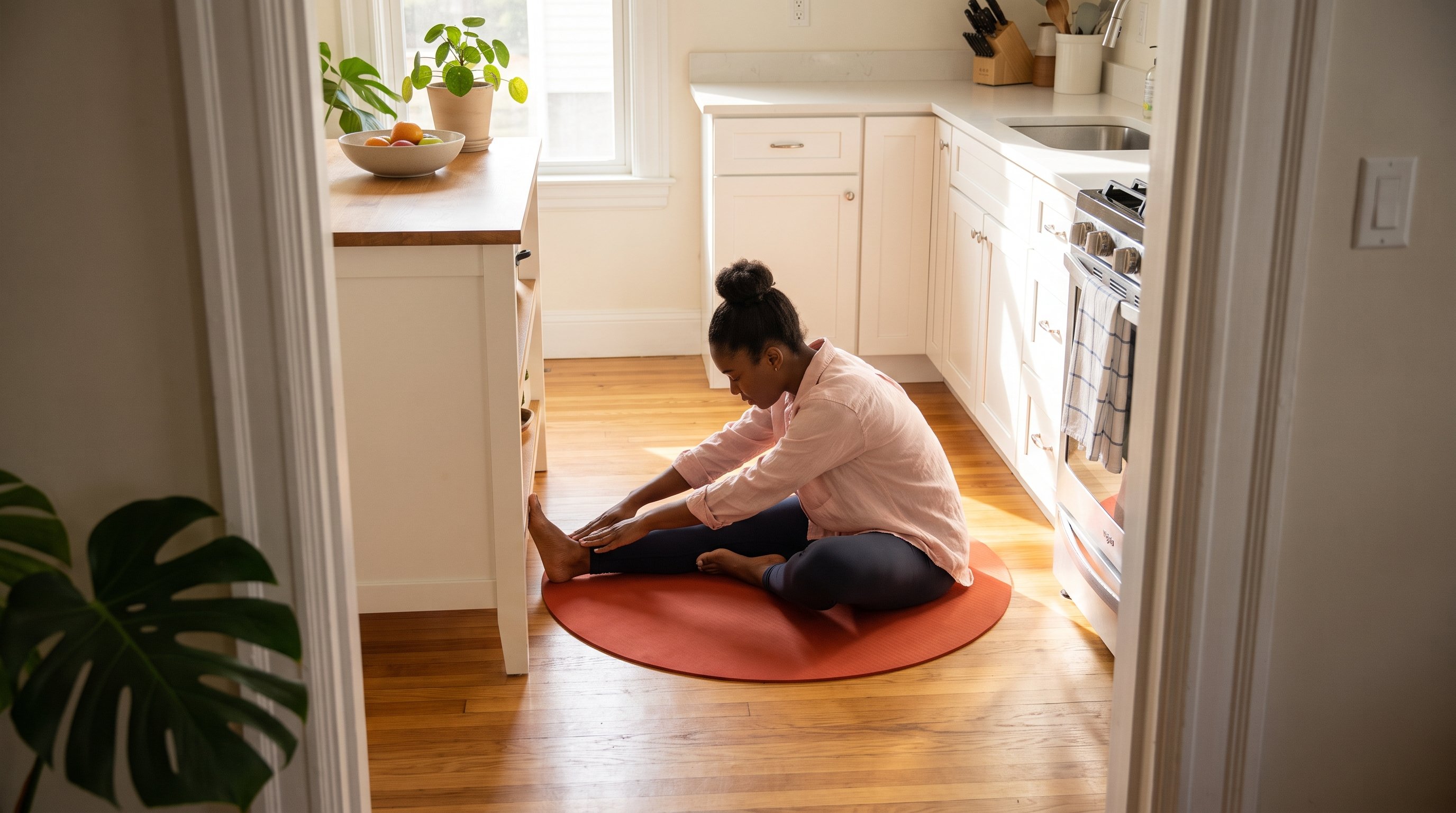
Two strength sessions, daily walking and one or two mobility or stretching sessions covers the main mechanisms without demanding a second job's worth of time.
| Exercise Type | How Often | Main Focus |
|---|---|---|
| Strength training | 2 to 3 times a week | Legs, back, core |
| Walking | Most days | Cardiovascular health |
| Mobility or stretching | 2 to 3 times a week | Joints, balance |
| Rest days | 1 to 2 a week | Recovery |
Adjust the exact days to fit your week - the pattern matters far more than hitting a precise schedule.
Why Consistent Movement Beats Occasional Intense Training
Compare two approaches: a punishing weekly bootcamp class versus short, regular strength and walking sessions spread across the week.
The bootcamp burns you out fast, leaves you sore for days and is the first thing to get skipped when life gets busy.
Short regular sessions ask less of you each time, which means you're far more likely to still be doing them next month, and the month after that.
For something aimed at decades rather than weeks, the approach you'll actually keep doing beats the one that looks more impressive on paper.
Fitting Longevity Exercises Into a Full Week
A full calendar is the main reason this kind of routine falls apart before it starts.
Short sessions solve most of that problem - a 20-minute strength session before work or a walk during a lunch break doesn't need a gym membership or a spare evening.
A library of 100+ workouts and exercises includes simple strength and mobility sessions you can slot into gaps in your day, so you're not stuck planning a routine from scratch.
Pairing that with step counting and water tracking in one place also makes it easier to see the pattern you're actually keeping, not just the one you intended.
Can One Workout Reverse Years of Inactivity Overnight?
No single workout, supplement or week of effort reverses years of sitting still, and nothing here can promise that either.
The body doesn't work in dramatic jumps - muscle rebuilds gradually with repeated use, and cardiovascular fitness improves the same way, through repetition over time, not through one standout session.
The real answer is less exciting but more useful: the sessions that matter most are the ones you repeat, not the one that feels the hardest.
There's also no such thing as training one body part to age more slowly than the rest - the mechanisms described here work on the whole body, not a single area.
What Actually Changes Your Longevity Results
Three factors matter more than any single workout choice.
The Factors That Move the Needle
- Consistency over years - a modest routine kept for years outperforms an intense one abandoned after a few months.
- Strength work included - cardio alone misses the muscle-protecting mechanism; adding resistance work covers both bases.
- Recovery built in - rest days let the adaptation from training actually happen instead of adding fatigue on top of fatigue.
Mistakes That Quietly Undo a Longevity Routine
Starting Too Hard, Too Fast
Jumping into daily intense sessions leads to burnout or injury within weeks - start with two or three manageable sessions and build from there.
Skipping Strength Work Entirely
Walking alone is valuable but doesn't protect muscle mass the way resistance work does - add at least two short strength sessions a week.
Ignoring Rest Days
Training every single day without a break leaves no time for the body to adapt - one or two rest days a week isn't wasted time, it's part of the process.
Chasing Intensity Over Years of Habit
A brutal session you can't repeat next week is worth less than a moderate one you'll still be doing next year - pick the version you can sustain.
How K-Diet Supports Exercises for Longevity
Building a routine aimed at decades rather than weeks is easier when the plan, the tracking and the recipes live in one place instead of being pieced together from scratch.
K-Diet brings together guided workouts, step and weight tracking, and a library of over 1000 Korean diet recipes, so your movement routine and your eating habits support each other instead of working against each other.
Nutrition and health guides from the app also cover the basics of strength, mobility and recovery in plain language, so you're not guessing at how to put a weekly pattern together.
Eat Korean, Lose Weight
Your Korean Diet Plan
Building a Longevity Routine That Outlasts a New Year's Resolution
Pick one strength session and one walk to start this week - that's the whole commitment, nothing more dramatic than that.
Add a second strength session once the first feels normal, then build mobility work in around it, letting the routine grow at the pace you can actually keep.
An app like K-Diet can hold the workouts, the tracking and the recipes in one spot while you focus on just showing up.
FAQ
Walking supports your heart but doesn't load your muscles the way resistance work does, so both play a different role. Doing only one leaves half the mechanism unaddressed.
Muscle and cardiovascular systems respond to use at any age, so starting later still engages the same mechanism as starting earlier. The starting point doesn't change the fact that movement helps from here.
A short 15 to 20 minute session still counts, and a walk during a break counts too - the pattern matters more than the length of any single session. K-Diet's shorter guided workouts are built for exactly this kind of gap in the day.
Most people start too intensely, get sore or bored, and quit before the habit sets in. Starting smaller than feels necessary and building up slowly is what makes the routine last.
Share this post