Cheap Meal Prep Ideas: A Realistic Way To Eat Well For Less
By:Author:K-Diet Editorial
Updated on:October 18, 2026
- The Myth That Cheap Food Means Boring Food
- How Cheap Meal Prep Actually Lowers Your Grocery Bill
- What Changes How Cheap Your Meal Prep Actually Is
- A Week of Cheap Meal Prep You Can Copy
- Making Cheap Meal Prep Work With a Full Schedule
- When Cheap Meal Prep Starts to Feel Automatic
- Mistakes That Quietly Undo a Cheap Meal Prep Plan
- Letting K-Diet Simplify Cheap Meal Prep Planning
- Turning One Cheap Meal Prep Week Into a Routine
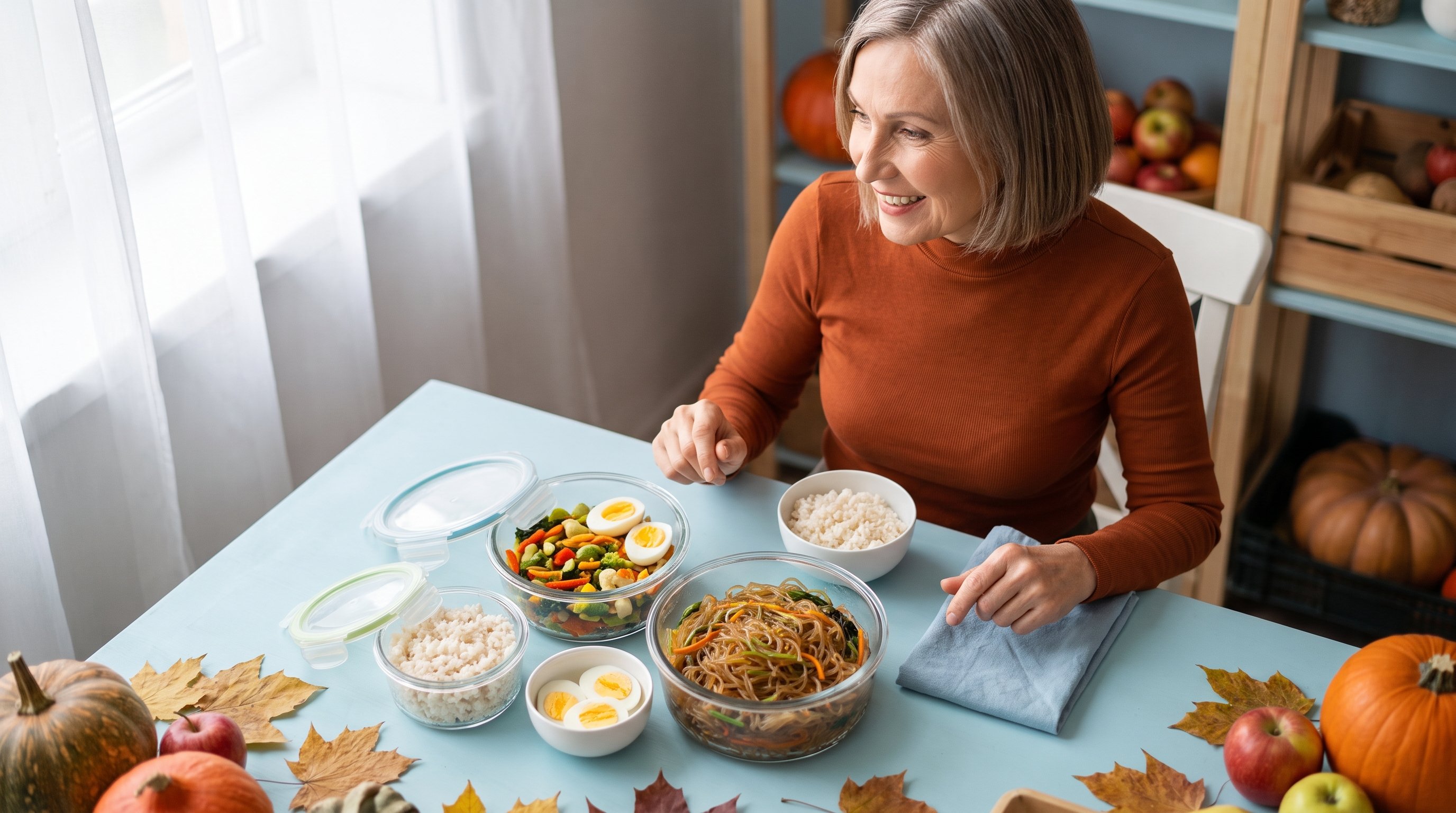
Cheap meal prep ideas work because they lean on a handful of filling, low-cost ingredients cooked in bulk once and reused across several meals. The savings come from buying less often, wasting less food and skipping the convenience markup on pre-made meals.
The mechanism is simple: fewer, larger shops mean better prices per item, and batch cooking turns cheap staples like rice, eggs, beans and seasonal vegetables into meals that would otherwise cost more bought individually or pre-made.
This article covers what actually drives the cost down, a sample week you can copy, where budget meal prep tends to fall apart, and the mistakes that quietly push grocery bills back up.
The Myth That Cheap Food Means Boring Food
A lot of people assume cheap meal prep means plain rice and dry chicken breast on repeat. That is not true, and it is also the main reason budget meal prep plans get abandoned fast.
Flavour comes from seasoning, sauces and cooking method, not from expensive ingredients. A bag of frozen vegetables, a tub of gochujang or soy sauce and some garlic cost very little but change a bowl of rice and eggs into something you actually want to eat again.
The real answer is that cheap and varied are not opposites. The variety comes from rotating two or three sauces and swapping which vegetable or protein you batch each week, not from spending more.
How Cheap Meal Prep Actually Lowers Your Grocery Bill
Two things do most of the work here: buying in bulk and cooking in bulk. Both reduce the price per meal without reducing how much food you get.
Buying Fewer Times, in Bigger Batches
A larger bag of rice or dried beans is almost always cheaper per serving than a small one, and buying once a week instead of daily cuts down on the extra items you pick up on impulse.
Cooking Once, Eating Several Times
Cooking a large pot of grains, a tray of roasted vegetables or a pot of soup takes roughly the same time and energy as cooking a single portion, so the cost per meal drops the more portions you split it into.
What Changes How Cheap Your Meal Prep Actually Is
Not every batch-cooked meal saves the same amount. These three factors matter more than which recipe you pick.
What Moves the Cost Most
- How much you waste - food thrown out because it went off before you got to it cancels out any savings from buying in bulk.
- How many ingredients overlap - a shopping list built around 5-6 repeat staples costs less than buying a new ingredient list for every recipe.
- How often you eat out instead - the biggest saving usually comes from replacing a bought lunch or takeaway, not from shaving pennies off a recipe that was already home-cooked.
A Week of Cheap Meal Prep You Can Copy
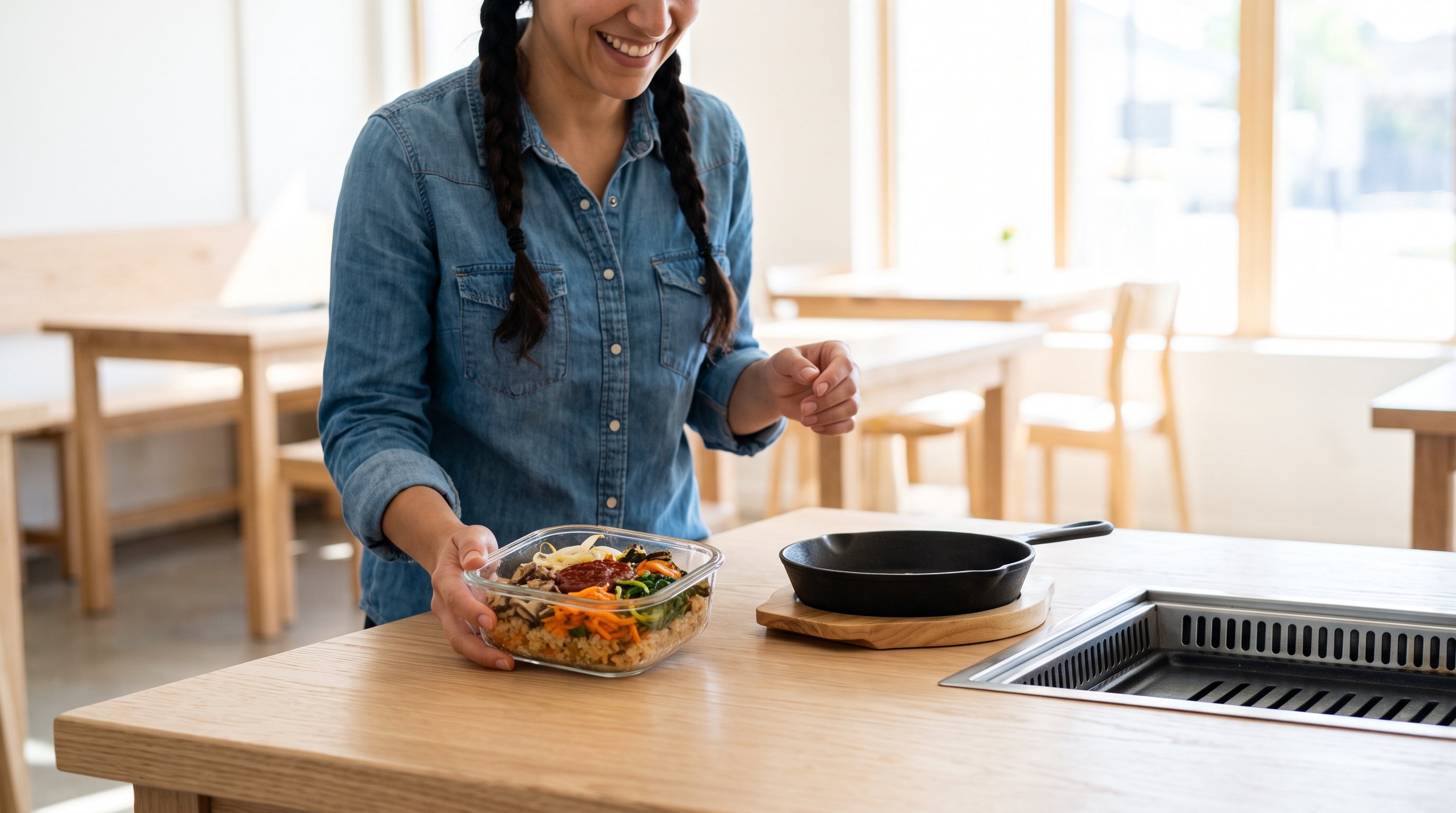
This is one way to structure a week around a few staples cooked in bulk, so nothing gets wasted and every meal reuses what you already cooked.
| Day | What You Eat |
|---|---|
| Sunday | Cook large pot of rice and beans |
| Monday | Rice bowl with roasted vegetables |
| Tuesday | Beans and rice with fried egg |
| Wednesday | Vegetable soup with leftover rice |
| Thursday | Stir-fried vegetables over rice |
| Friday | Egg fried rice, clear out fridge |
One cooking session on Sunday covers most of the week, and Friday is built to use up whatever is left before the next shop.
Making Cheap Meal Prep Work With a Full Schedule
The plan above only works if the prep session itself is realistic, which usually means one to two hours on a day you already have free rather than squeezing it between other things.
Keeping the ingredient list short also cuts down on prep time, since chopping three vegetables for one big pot takes less time than chopping ingredients for five different recipes.
This is where a meal plan built around food you already like helps, because a recipe library that gives you Korean-inspired meals reuses the same core ingredients without you having to work out the combinations yourself.

When Cheap Meal Prep Starts to Feel Automatic
The first couple of weeks take the most thought, since you are still working out which staples you actually like eating on repeat.
After that, the shopping list mostly repeats itself and the Sunday session gets faster because you already know the routine.
Most people drop off around week two or three, usually right when the novelty of a new routine wears off and the same five meals start to feel repetitive rather than efficient.
Mistakes That Quietly Undo a Cheap Meal Prep Plan
Buying Ingredients for Recipes You Never Make
A long shopping list of one-off ingredients is how budgets blow out fast. Stick to a short list of staples that show up in more than one meal that week.
Letting Fresh Produce Go Off Before You Cook It
Vegetables bought for a specific day often get forgotten. Cook them into the batch straight away instead of saving them raw for later in the week.
Prepping Meals You Don't Actually Enjoy Eating
Cheap food you throw away because you are tired of it is not actually cheap. Rotate two or three sauces so the same base ingredients taste different through the week.
Skipping the Freezer
Portions that won't get eaten within a few days spoil before you get to them. Freezing half a batch the day you cook it keeps food from going to waste later.
Letting K-Diet Simplify Cheap Meal Prep Planning
Working out which staples to buy, which sauces to rotate and how much to cook each week takes some trial and error if you are doing it from scratch.
K-Diet takes that guesswork out by giving you a plan tailored to your goals and preferences, drawn from over 1000 Korean diet recipes, so the ingredient overlap and portion sizes are already worked out for you.
Alongside the recipes, K-Diet's progress tracking keeps your water intake, weight and steps in one place, so the eating side of your week and the movement side stay connected instead of being two separate habits to manage.
Eat Korean, Lose Weight
Your Korean Diet Plan
Turning One Cheap Meal Prep Week Into a Routine
Pick one cooking session this week, build it around three or four cheap staples you actually enjoy, and see how far a single batch stretches.
If you want the recipe and ingredient planning done for you, meal planning services are built around the same idea of reusing simple ingredients across a week of Korean-inspired meals.
FAQ
It depends on what you were spending before, since the biggest drop usually comes from replacing takeaways or bought lunches rather than from any single cheap ingredient. Buying staples in bulk and cooking them in batches is what keeps the per-meal cost down over time.
It can be, but cooking small portions daily means buying smaller quantities more often, which usually costs more per serving. Batch cooking once and splitting it across several meals tends to use less food overall.
Keep the recipe list short and lean on one-pot meals like soups, rice dishes or stir-fries that cook in a single pan. K-Diet's recipe library includes simpler Korean-inspired options if you want the planning side handled for you.
Rotate two or three sauces or seasonings across the same base ingredients so each meal tastes different even though the shopping list stays the same. Changing just the vegetable or protein each week also keeps things from feeling repetitive.
Share this post