What Is The Korean Diet? A Plain Guide To Eating This Way
By:Author:K-Diet Editorial
Updated on:October 18, 2026
- What the Korean Diet Actually Means Day to Day
- Korean Diet Versus Low-Carb: Which Pattern Fits You
- Why Flexible Eating Beats Strict Elimination Diets
- Who the Korean Diet Pattern Actually Suits
- Making the Korean Diet Fit a Normal Week
- The Myth That One Korean Food Melts Fat
- Letting K-Diet Simplify the Korean Diet Pattern
- Starting a Korean-Style Plate This Week
The Korean diet is an eating pattern built around rice, vegetable side dishes called banchan, fermented foods like kimchi, lean proteins, and soups, with less reliance on fried food and sugary drinks than a typical Western plate.
It works less because of any single ingredient and more because of structure: lots of vegetables, modest portions of protein and carbs, and meals that take time to eat, which naturally slows down how much you take in.
This article covers how the pattern actually functions, what a realistic day looks like, who it suits, and how to fit it into a week that is already full.
What the Korean Diet Actually Means Day to Day
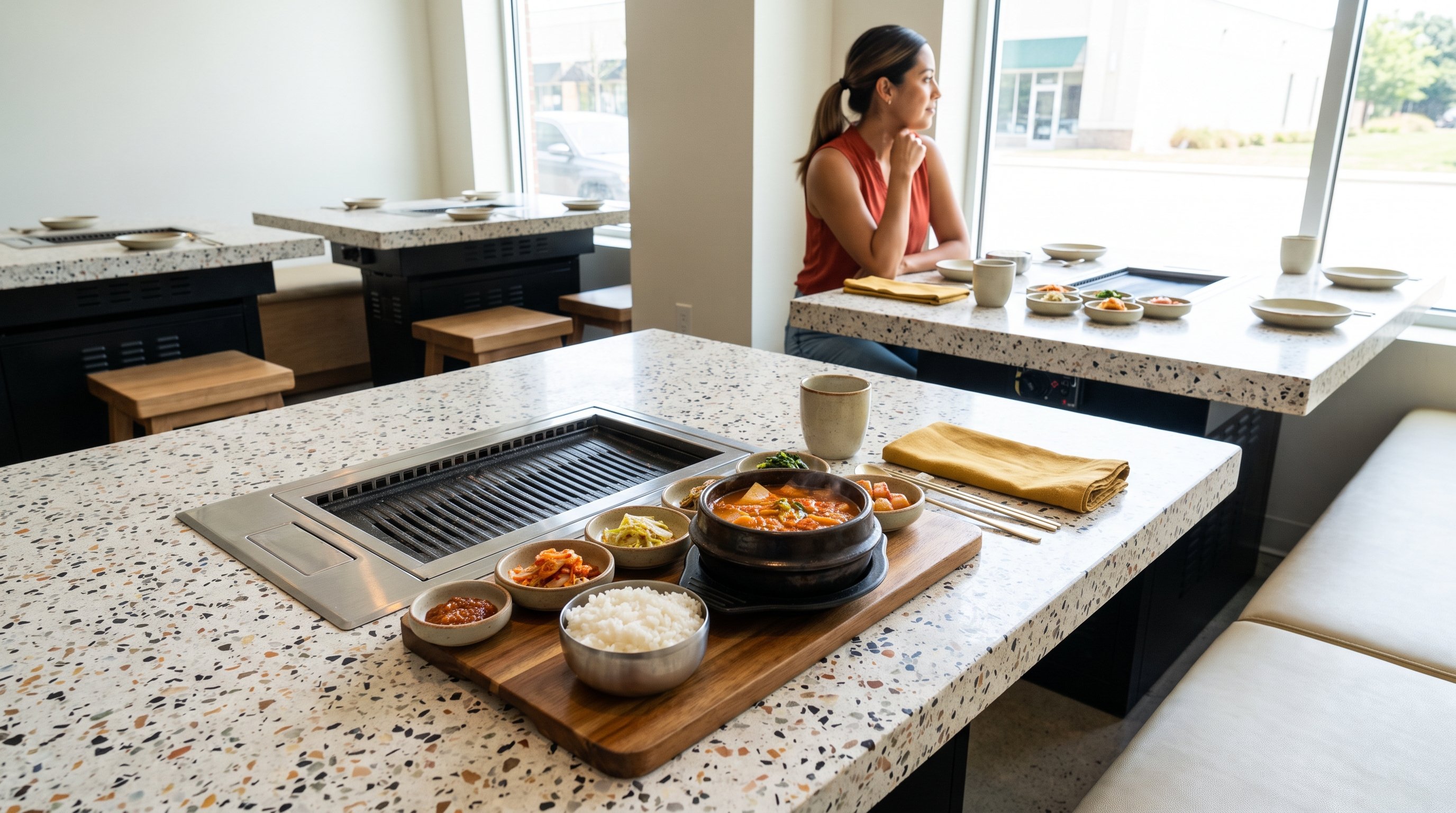
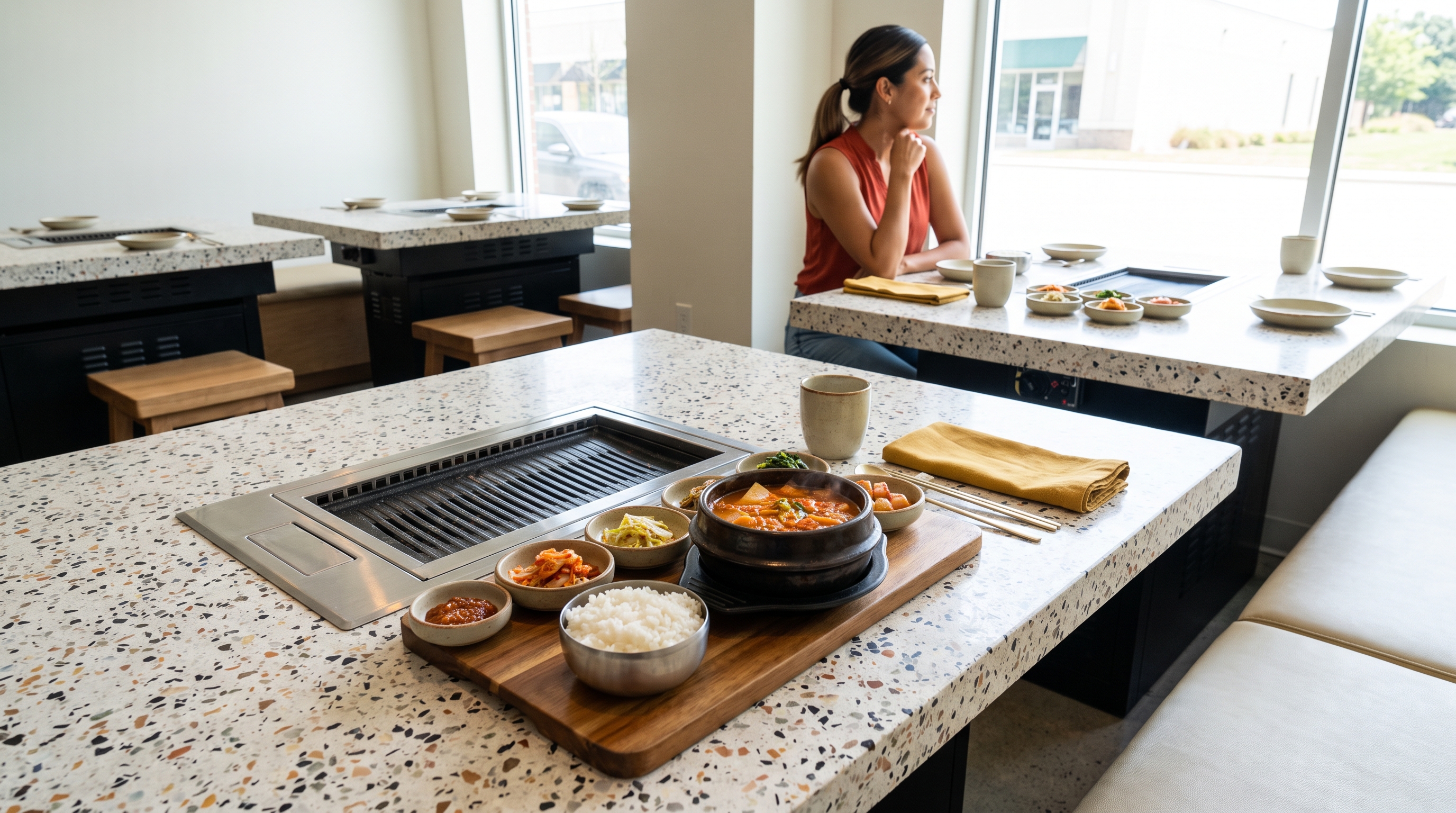
A typical Korean meal is built from rice, a protein source, soup, and several small vegetable side dishes - usually three to five banchan sitting alongside the main plate.
That structure matters more than any one food choice, because the vegetable dishes take up plate space and chewing time without adding much in the way of calories.
The Arithmetic Behind It
If a plate is half vegetables, a quarter protein, and a quarter rice, the calorie density of the whole meal drops compared to a plate that is mostly rice or mostly fried protein.
Lower calorie density means you can eat a full-looking plate and still land in a deficit, which is the only mechanism behind any weight change - eating less than you burn, over time.
None of this requires a special supplement or a banned food list; it is portion structure and ingredient choice doing the work, which is something anyone can copy at home.
Korean Diet Versus Low-Carb: Which Pattern Fits You
Both patterns can create a deficit, but they get there differently, and the right one depends on what you can actually sustain week after week.
| Factor | Korean Pattern | Low-Carb Pattern |
|---|---|---|
| Carb approach | Moderate rice portions | Carbs cut sharply |
| Vegetable volume | High, several side dishes | Varies by plan |
| Food variety | Wide, many small dishes | Narrower food list |
| Prep effort | Several small dishes to make | Fewer components per meal |
| Social eating | Fits shared meals easily | Can feel restrictive out |
Neither one is automatically better; the one you can actually keep doing for months is the one that will show results, because consistency is what moves the number, not the label on the plan.
Why Flexible Eating Beats Strict Elimination Diets
Elimination diets work on paper, but most people cannot hold them for long, because cutting out entire food groups makes everyday meals, work lunches and family dinners harder to navigate.
The Korean pattern does not ban anything outright; it just rebalances what is on the plate, so rice stays, meat stays, and the vegetables simply take up more room than before.
That flexibility is the real advantage: a plan you do not have to fight against on a Tuesday night is a plan you are far more likely to still be following in three months.
Adherence, not intensity, is what separates a diet that gets abandoned by February from one that quietly becomes normal.
Who the Korean Diet Pattern Actually Suits
If You're New to Structured Eating
Start by adding one or two vegetable side dishes to meals you already eat, rather than overhauling everything at once.
If You're Short on Time
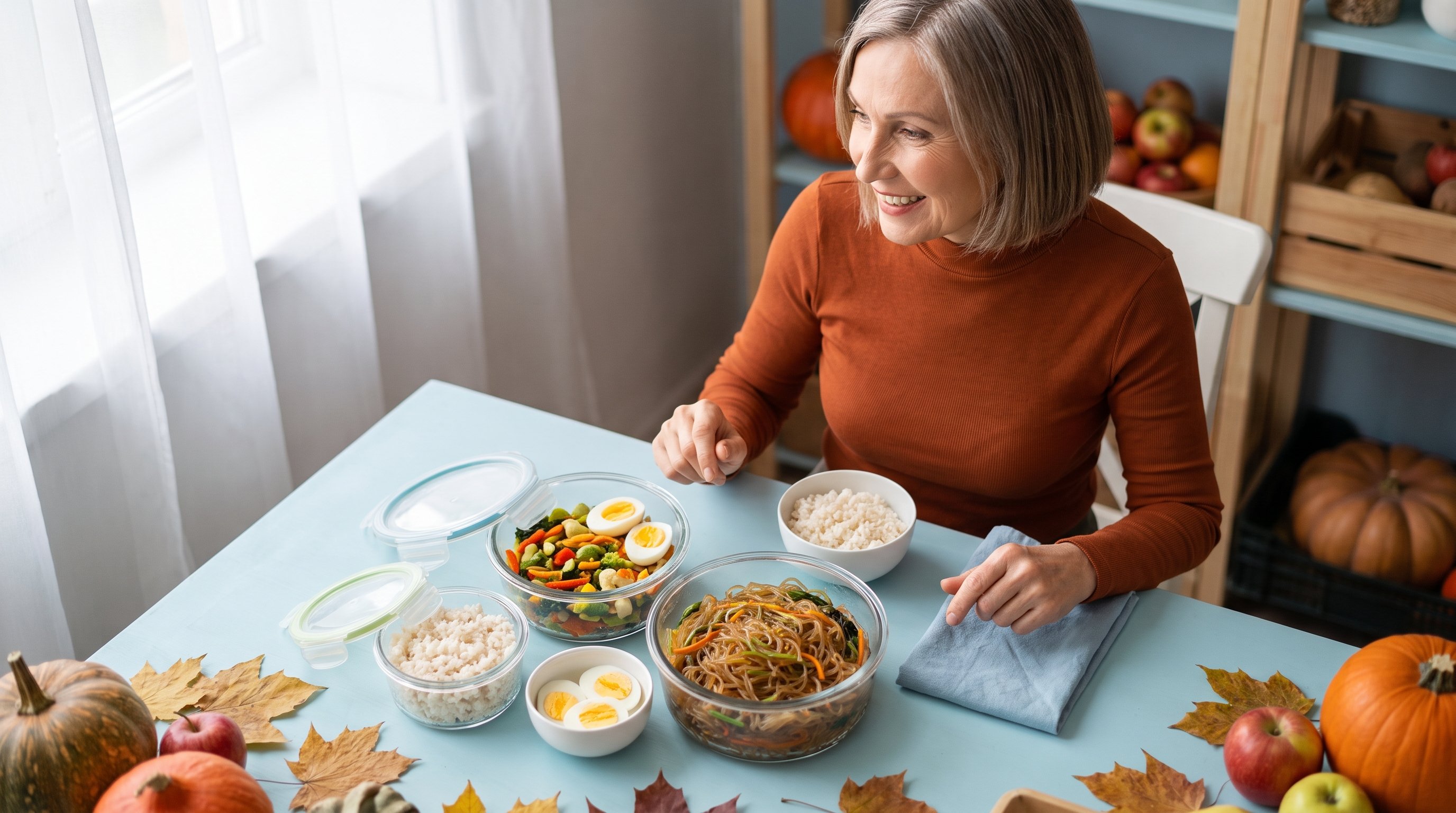
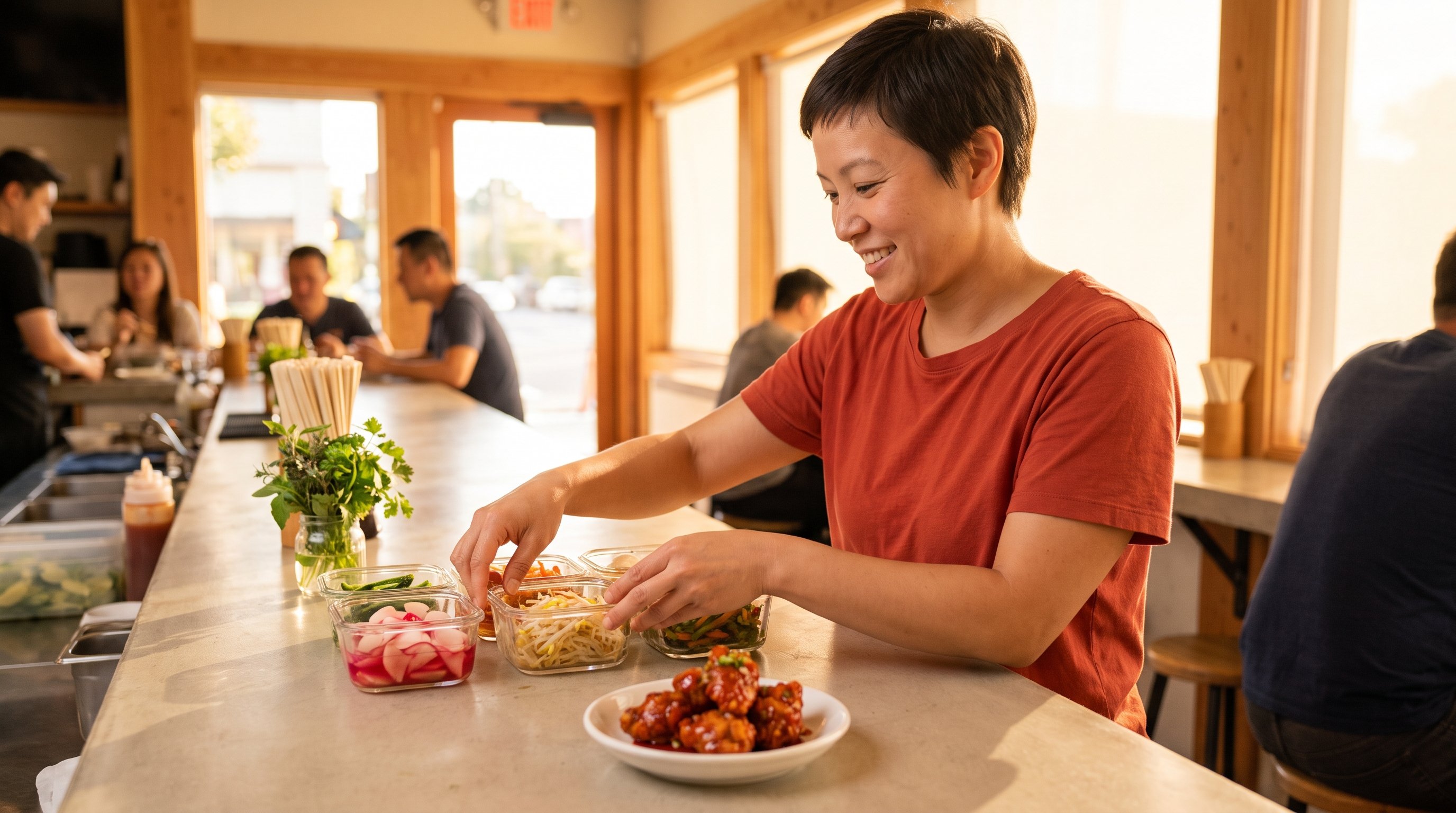
Batch-cook a few banchan on a Sunday - they keep well and can be mixed and matched through the week without fresh cooking every night.
If You're Cooking for a Family
The shared-plate format works well here, since everyone can take different portions of rice, protein and vegetables from the same spread.
If You're Managing a Health Condition
The pattern leans on whole foods and vegetables, which fits general healthy-eating guidance, but anyone with a specific medical need should treat this as a food-choice framework, not a treatment plan.
Making the Korean Diet Fit a Normal Week
A realistic week rarely means cooking five dishes from scratch every evening; it usually means picking two or three banchan that reheat well and rotating them alongside a simple protein and rice.
Soup can be made in a bigger batch at the weekend and portioned out, which removes one more decision from a weeknight that is already stretched thin.
This is where a meal plan built around food you already like helps, because K-Diet lays out Korean-inspired recipes so you are not guessing what to cook or how to balance the plate each night.
Keeping steps, water and weight in one place also makes it easier to notice whether the eating pattern is actually translating into a deficit over weeks, not just feeling virtuous in the moment.
The Myth That One Korean Food Melts Fat
No single food - not kimchi, not green tea, not seaweed soup - burns fat on its own, and no diet can target fat loss from one area of the body.
Fat comes off based on overall energy balance, decided by genetics and where your body stores fat first, not by which dish you eat most often.

What the Korean pattern actually offers is a structure that makes a calorie deficit easier to hold without constant hunger, because vegetables fill the plate without filling up the calorie count.
That is a slower, less exciting answer than a miracle food, but it is the one backed by basic arithmetic: eat less than you burn, and the scale moves over time.
Letting K-Diet Simplify the Korean Diet Pattern
Building a week of balanced Korean-style meals from scratch takes time most people do not have, between sourcing ingredients, prepping side dishes and working out portions.
K-Diet removes most of that guesswork with over 1000 Korean diet recipes tailored to your goals, so each meal is already balanced without you having to plan the plate yourself.
It also pairs the eating side with over 100 workouts and exercises, progress tracking for steps, water, weight and fasting, and nutrition guides written to support the habit once it is already underway.
Eat Korean, Lose Weight
Your Korean Diet Plan
Starting a Korean-Style Plate This Week
Pick one meal this week and rebuild the plate: half vegetables, a quarter protein, a quarter rice, with a small bowl of soup if you have one on hand.
That single change is a fair test of whether the pattern suits you, and K-Diet can take over the planning from there once you know you like how it feels.
FAQ
It can support weight loss because the vegetable-heavy, portion-controlled structure makes a calorie deficit easier to hold without constant hunger. It is not a magic pattern though - the deficit still has to exist for the scale to move.
No, rice stays in the Korean pattern; it is the portion and the balance with vegetables that changes things, not elimination. Cutting rice entirely is not required and often makes the plan harder to stick to.
Many core ingredients like cabbage, garlic, soy sauce and rice are widely available, and substitutions for harder-to-find items are usually workable. The structure of the plate matters more than having every traditional ingredient on hand.
Running out of time to prep side dishes is the most common drop-off point, since the plate format relies on a few extra small dishes. K-Diet's recipe library and meal planning are built to take that prep decision off your plate, which helps the habit survive a busy week.
Share this post