Korean Diet Foods: The Honest Guide To Eating Well
By:Author:K-Diet Editorial
Updated on:October 18, 2026
- The Myth That One Korean Food Will Melt Fat
- How the Korean Plate Actually Keeps Calories Lower
- What Changes Your Results With This Eating Pattern
- A Day of Korean Diet Foods You Could Copy
- Making Korean Diet Foods Work in a Real Kitchen
- When Eating This Way Starts to Feel Normal
- Mistakes That Quietly Undo a Korean Plate
- Building K-Diet Into a Sustainable Routine
- Where to Take Your Plate From Here
This eating pattern is mostly vegetables, fermented sides, lean proteins and rice, eaten in smaller individual portions alongside several shared dishes. That structure matters more than any single ingredient, because it naturally fills a plate with volume before it fills it with calories.
The mechanism is simple arithmetic, not magic: more vegetables and broth-based dishes mean more food weight per calorie, so you can eat a satisfying amount without piling on energy you don't need.
This guide covers what the pattern actually looks like, how the mechanics work, what changes your results, a sample day, and where people usually get stuck trying to keep it going.
The Myth That One Korean Food Will Melt Fat
No single food from any cuisine burns fat off a specific body part, and that includes kimchi, seaweed soup or anything else sold as a Korean diet secret.
The body does not let you choose where it draws from when you're in a calorie deficit, so no food or meal timing trick changes that.
What this eating approach actually offers is a pattern that makes eating less feel normal rather than restrictive - lots of vegetables, modest rice portions, fermented sides with real flavour, and smaller plates shared across a table.
That's the honest version: no shortcut, just a way of eating that happens to make a deficit easier to live inside.
How the Korean Plate Actually Keeps Calories Lower
Two things do most of the work here: how the meal is built, and what fills the gaps between the main dishes.
Portion Structure Over Portion Size
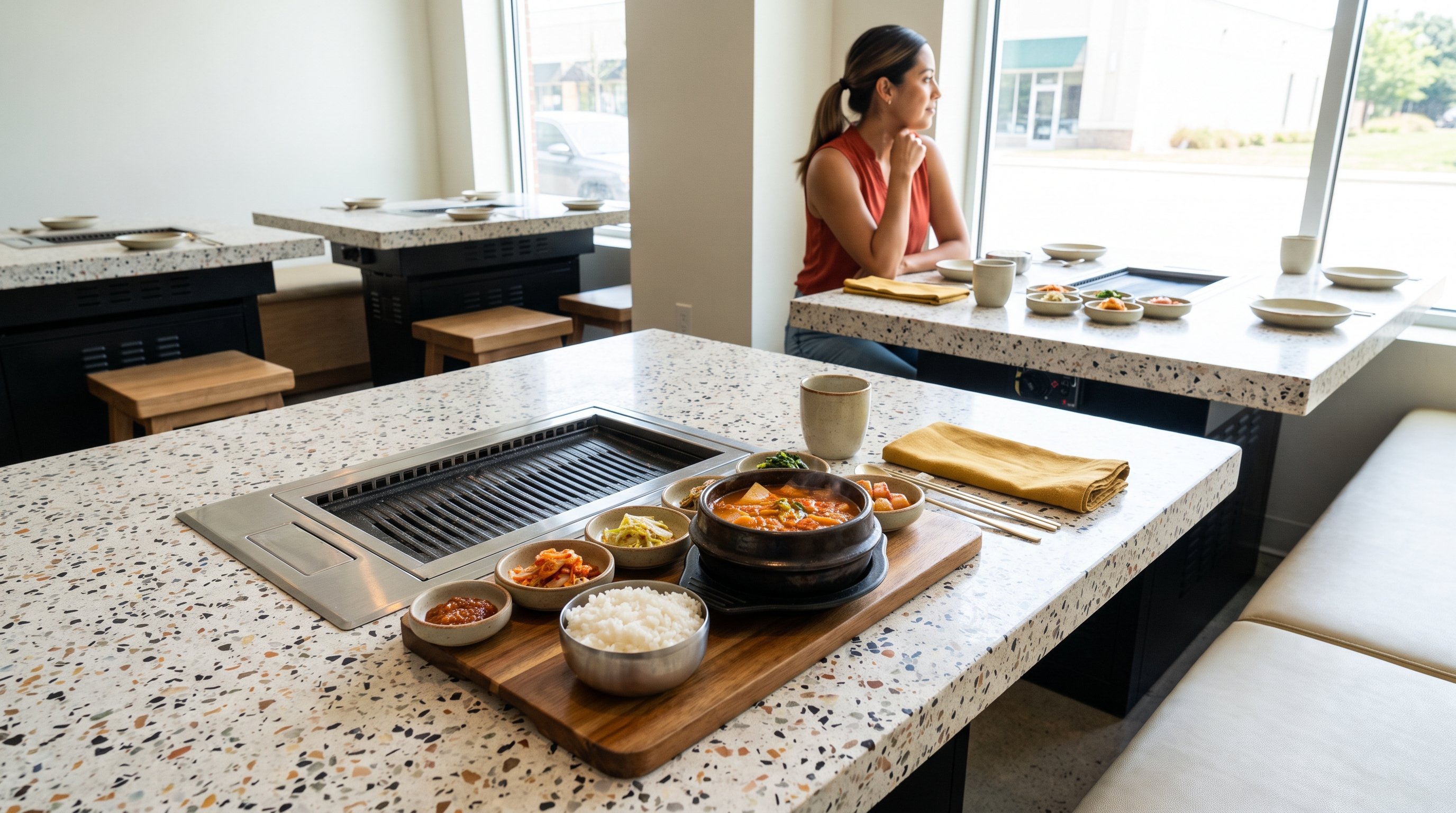
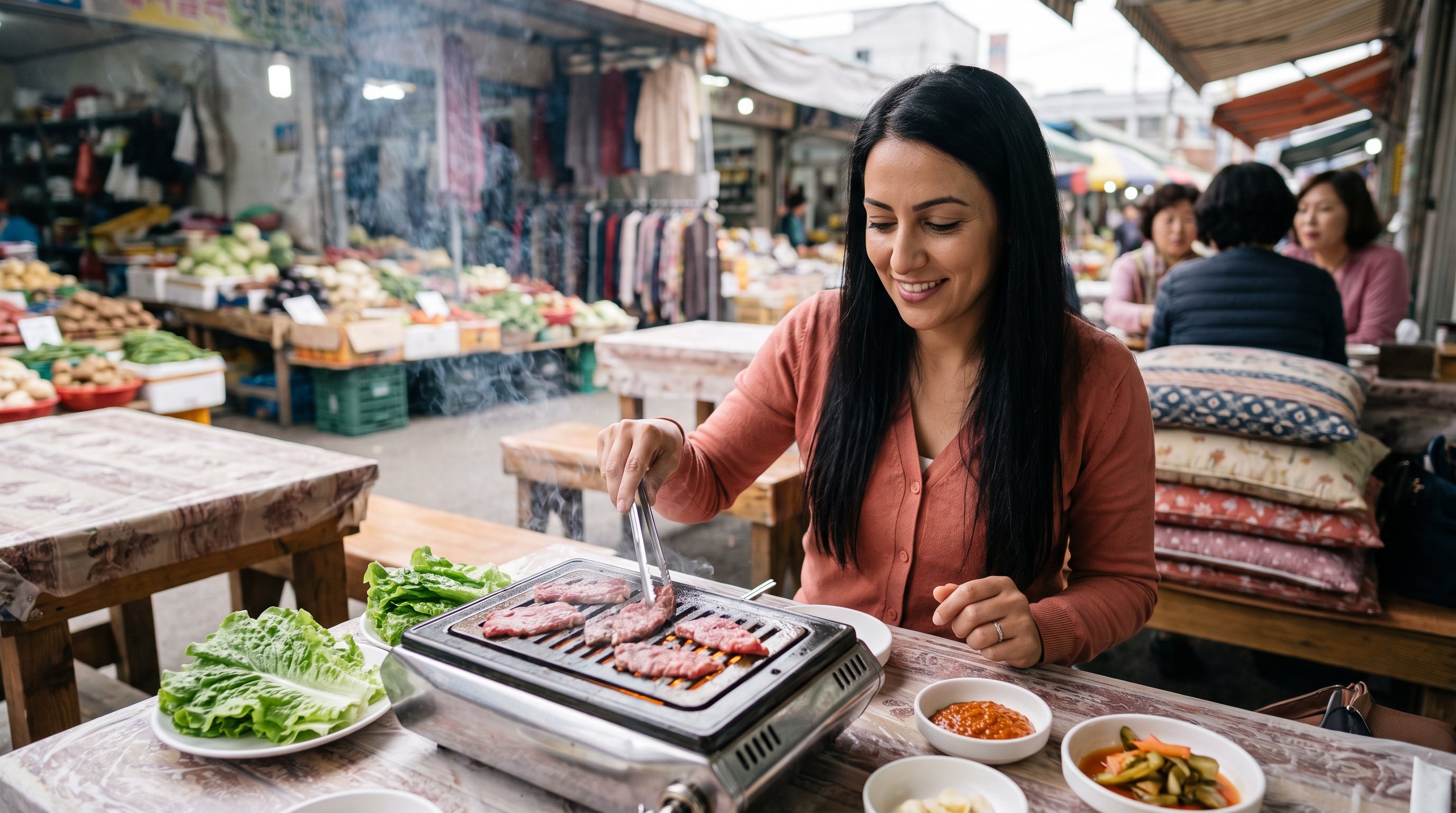
A Korean meal typically spreads food across several small dishes - rice, soup, a protein, and multiple banchan (side dishes) - rather than one large plate. Eating from several smaller dishes tends to slow a meal down, and a slower meal gives your body more time to register that it's had enough.
Vegetable and Fermented Volume
Banchan are mostly vegetables - spinach, bean sprouts, radish, cucumber - often fermented or lightly seasoned rather than fried or creamed. Fermented vegetables like kimchi add sharp flavour for very little calorie cost, which is part of why the plate can feel generous without being calorie-dense.
What Changes Your Results With This Eating Pattern
Not every version of this pattern delivers the same outcome. Three things decide whether it actually helps you eat less.
The Three Biggest Levers
- Rice portion size - rice is the easiest place calories quietly add up, so the size of that bowl matters more than almost anything else on the table.
- How the protein is cooked - grilled, steamed or stewed protein keeps the meal lighter than versions fried in batter or heavy oil.
- Sodium from sauces and broths - some banchan and stews run high in sodium, which won't change body fat but can affect how you feel day to day, so balance is worth paying attention to.
A Day of Korean Diet Foods You Could Copy
There's no single correct day on this plate, but here's a realistic shape worth copying.
A Simple Day on the Plate
- Breakfast - a small bowl of rice, a light soup, and a couple of vegetable banchan.
- Lunch - grilled fish or tofu, a modest rice portion, kimchi, and a second vegetable side.
- Dinner - a lean protein stew with plenty of vegetables, served with rice and two or three banchan.
- Through the day - water or unsweetened tea rather than sugary drinks alongside meals.
Making Korean Diet Foods Work in a Real Kitchen
Most people don't have time to prepare five side dishes every night, and they don't need to.
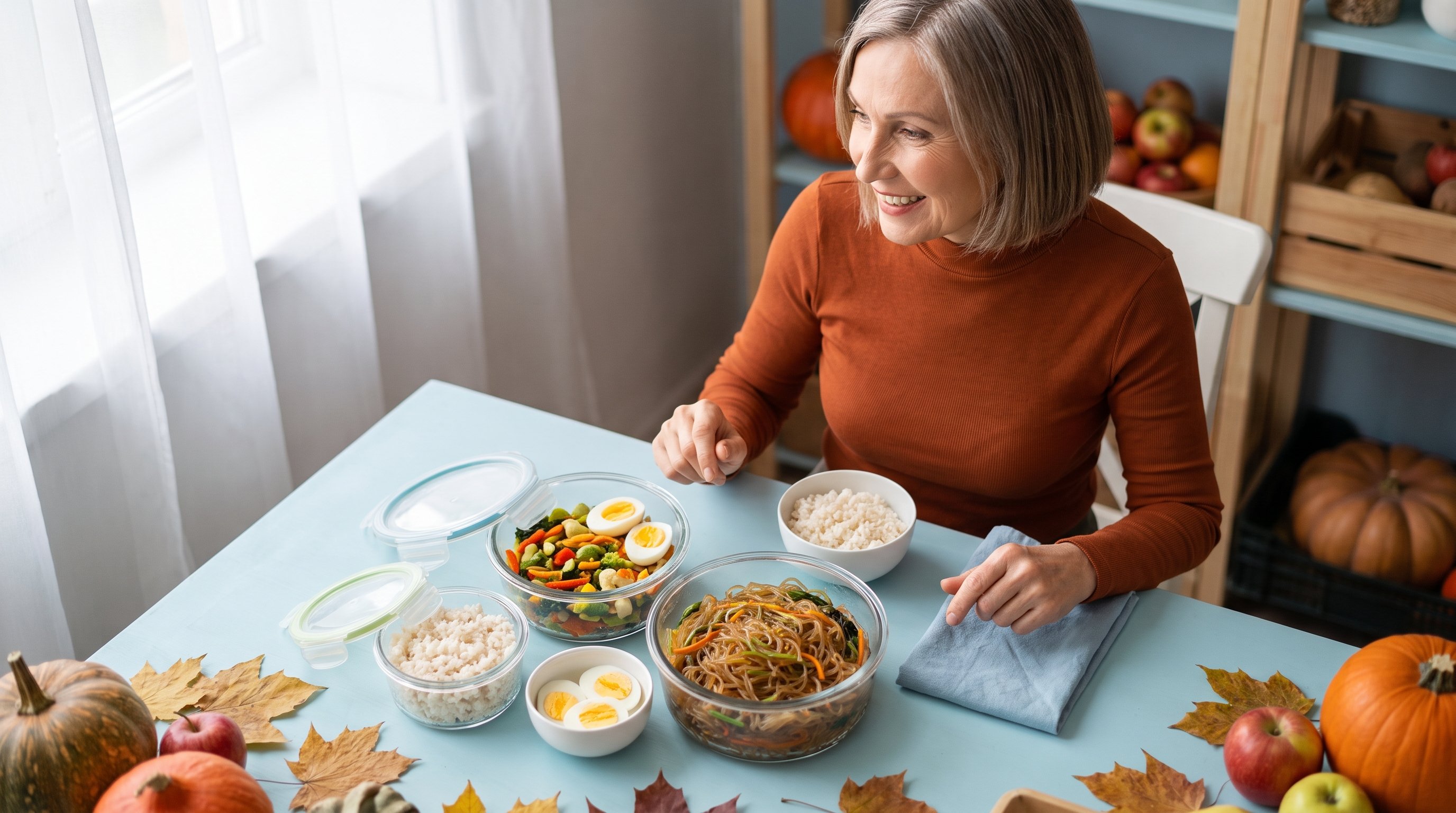
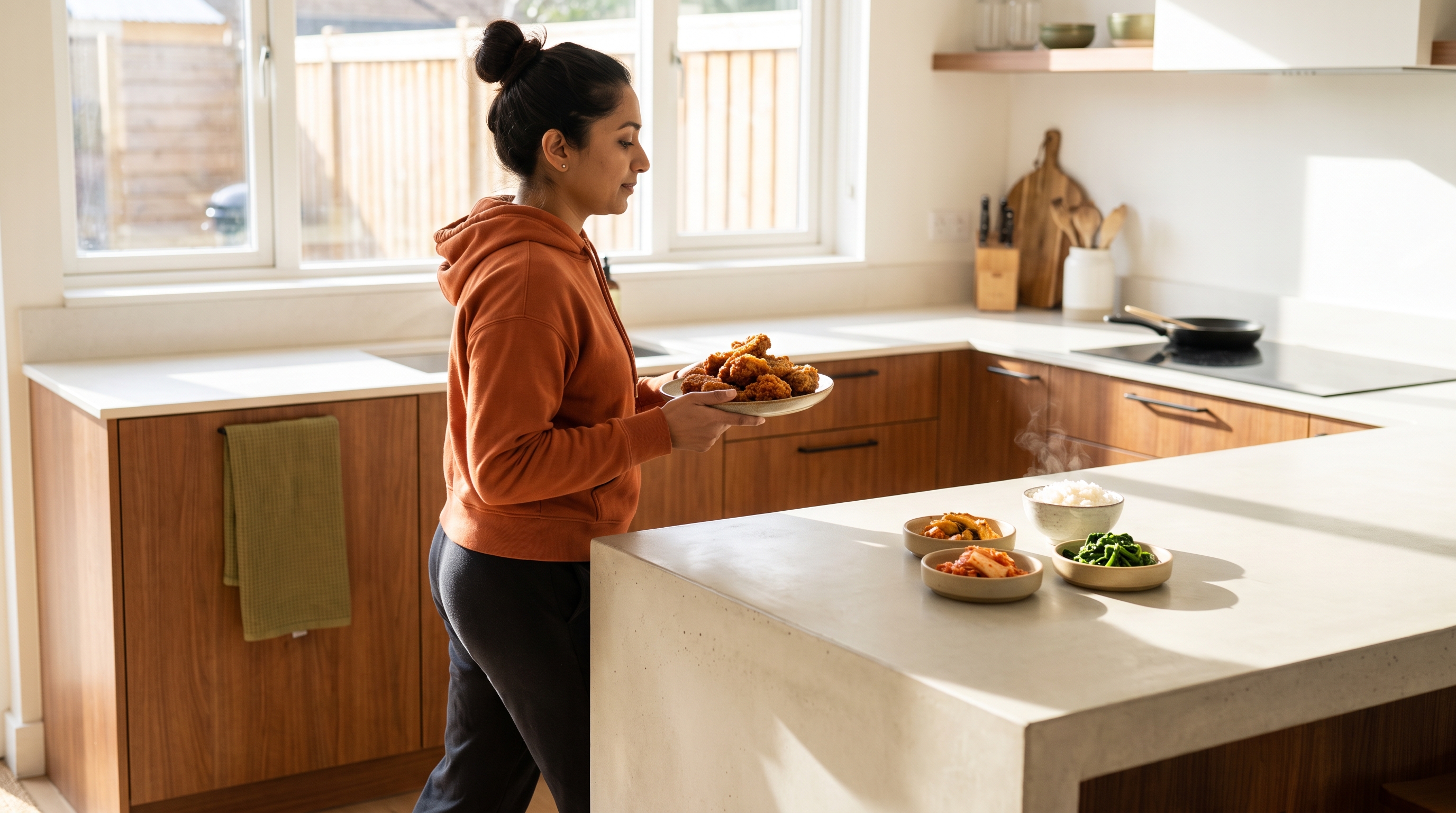
Picking two or three banchan to batch-make once a week, then rotating a simple grilled or stewed protein and rice, gets you most of the benefit with a fraction of the effort.
This is where a meal plan built around food you already like helps - K-Diet's recipe library leans into exactly this kind of cooking, so you're not reinventing a weekly menu from scratch.
It also means you can keep the pattern going on busy weeks instead of abandoning it the moment life gets full.
When Eating This Way Starts to Feel Normal
The first week or two usually feels like extra effort - more chopping, more small containers, more decisions about what goes in each dish.
That eases once a handful of banchan and a couple of go-to proteins become routine rather than a project.
Stay vague about exactly when results show up, because that depends on your starting point, your overall calorie intake and how consistent you are - but the habit itself tends to feel automatic well before any noticeable change does.
Mistakes That Quietly Undo a Korean Plate
Treating Rice As Unlimited
Because rice is a staple rather than a treat, it's easy to serve it generously without thinking. Measuring the bowl once or twice to learn what a reasonable portion looks like fixes this fast.
Loading Up on Fried Banchan
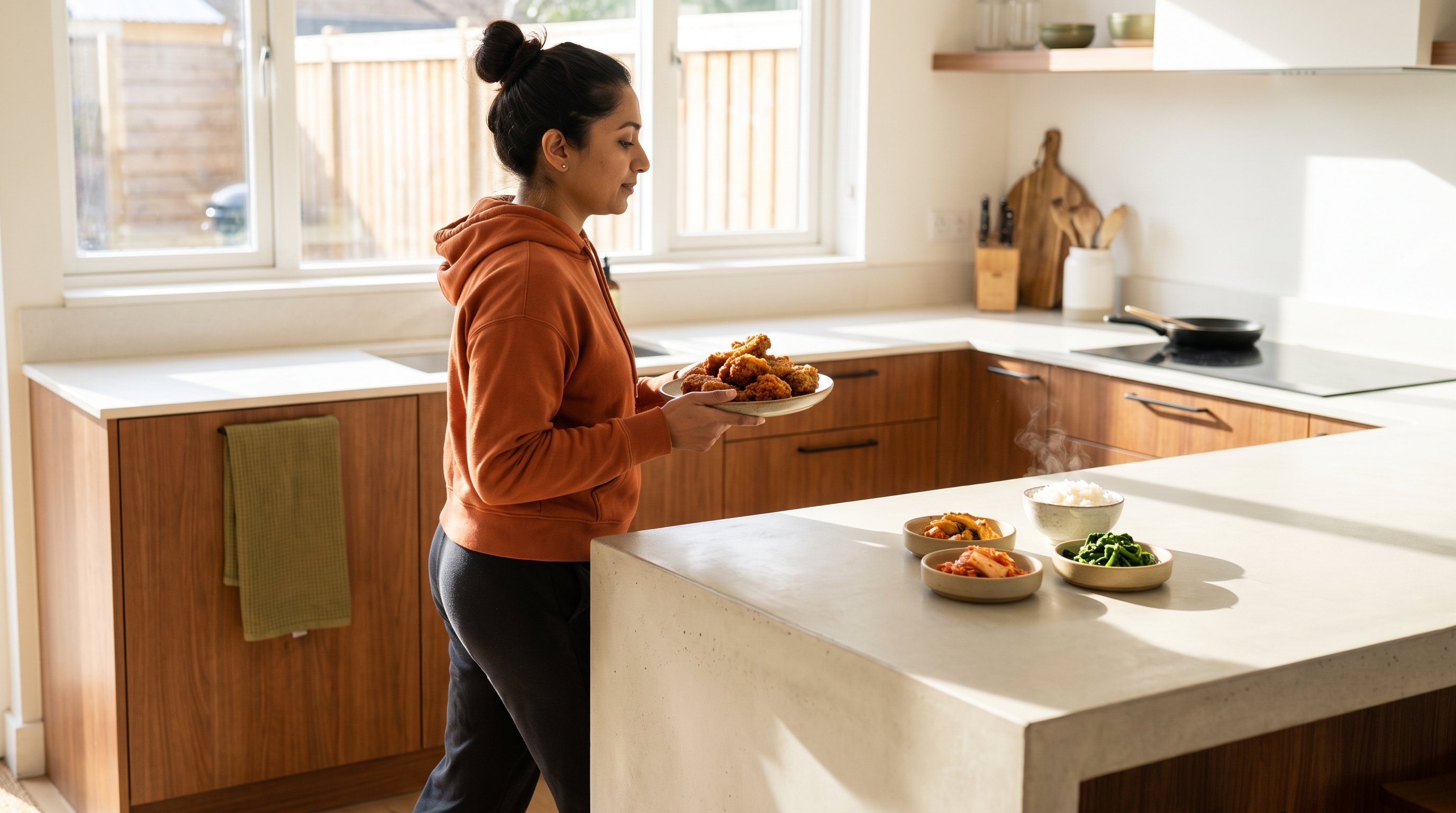
Some popular side dishes are battered or deep-fried, which quietly pushes the calorie count of an otherwise light meal much higher. Swapping one fried side for a steamed or raw vegetable dish keeps the volume without the extra oil.

Ignoring Sauces and Marinades
Sweet glazes and thick sauces on grilled meats can carry more sugar than people expect. Asking for sauce on the side or using less of it at home keeps the dish closer to its lighter version.
Skipping the Vegetables to Save Time
When time is short, the banchan are often the first thing cut, which removes exactly the part of the meal doing the most work for volume and satisfaction. Keeping even one or two quick vegetable sides in rotation protects the whole point of the pattern.
Building K-Diet Into a Sustainable Routine
Planning this style of meals from scratch every week is where most people drop off, not because the food is hard to like, but because the planning adds up.
K-Diet gives you a plan tailored to your goals and preferences from its library of 1000+ Korean-inspired recipes, so the rice, protein and banchan decisions are already made for you instead of starting from a blank page each Sunday.
Pair that with the app's progress tracking for water, steps and weight, plus its guided workouts, and the food side of things stops being the thing you have to think hardest about each day.
Eat Korean, Lose Weight
Your Korean Diet Plan
Where to Take Your Plate From Here
Pick two banchan, one protein method and a sensible rice portion, and build this week's meals around just those three things.
That's a smaller ask than overhauling your whole kitchen, and it's enough to start feeling what this approach actually does for appetite and energy.
When you're ready to take the planning off your plate, K-Diet's recipe library and tracking tools are built to carry that part for you.
FAQ
They can make it easier to hold a calorie deficit because the pattern favours vegetables and smaller portions over calorie-dense plates. No food in the pattern does the work on its own - the deficit still comes from what you eat across the whole day.
Some dishes, especially stews and certain banchan, can run high in sodium, and that's worth balancing with water and fresh vegetables through the day. Sodium affects how you feel, not body fat directly, so it's a comfort consideration rather than a weight one.
You don't need five banchan to get the benefit - two or three made in a batch once a week covers most meals. K-Diet's recipe library is built around exactly this kind of simplified cooking if planning from scratch feels like too much.
Yes, rice is a normal part of the pattern - the portion size is what matters, not whether rice appears at all. A measured bowl alongside plenty of vegetables and a lean protein keeps the meal balanced without cutting rice out entirely.
Share this post