Fermented Foods List: A Practical Guide To Eating More
By:Author:K-Diet Editorial
Updated on:October 18, 2026
- Building Your Own Fermented Foods List Step by Step
- How Much Fermented Food Actually Belongs on Your Plate
- Working Fermented Foods Into a Week That's Already Full
- A Four-Stage Way to Start Eating More Ferments
- When a Fermented Foods Habit Starts to Feel Normal
- Mistakes That Quietly Kill a Fermented Foods Habit
- Letting K-Diet Keep a Fermented Foods List on Your Plate
- Making a Fermented Foods List Part of Your Kitchen
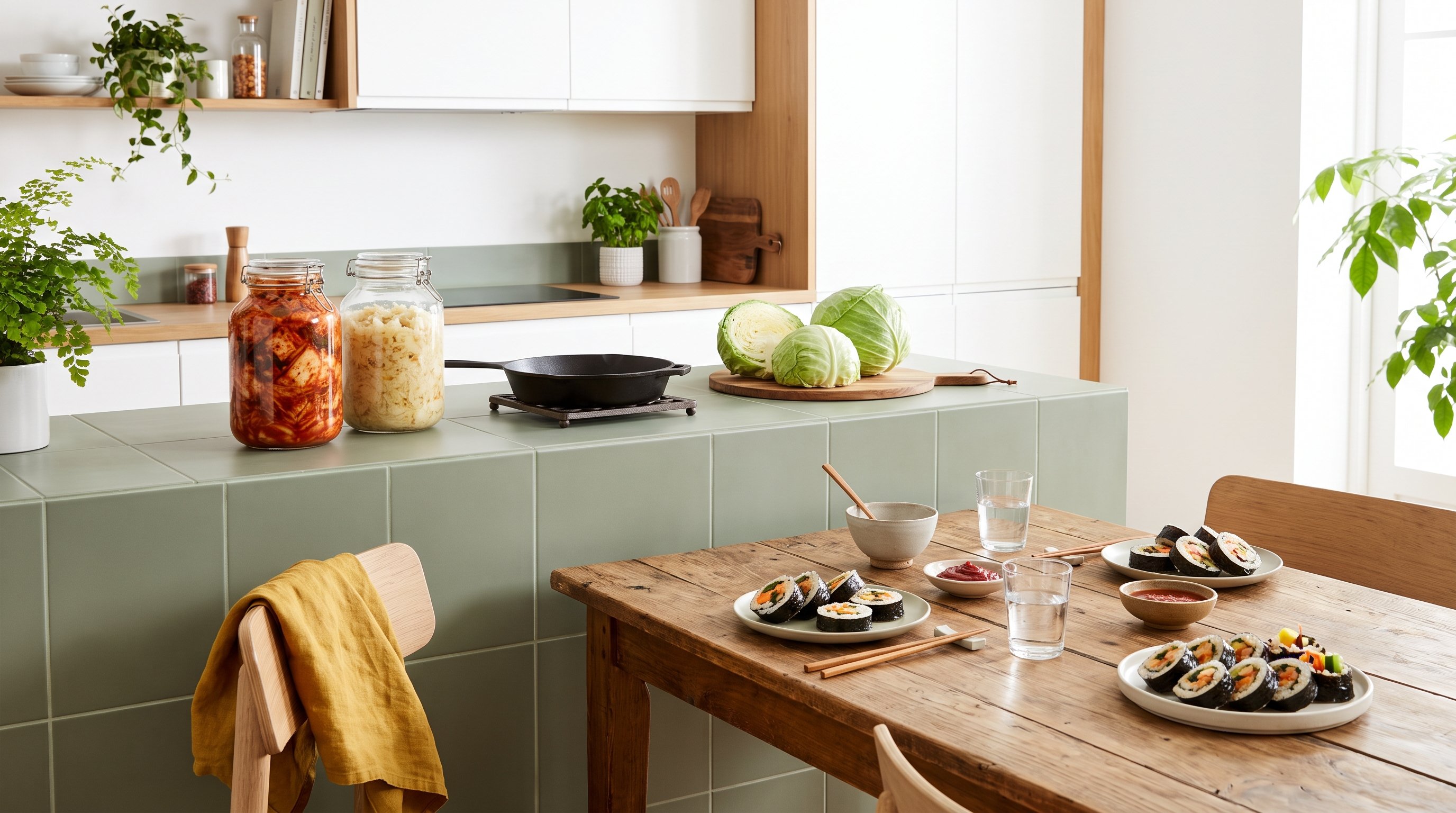
A useful fermented foods list has a handful of everyday options: kimchi, sauerkraut, plain yoghurt, kefir, miso, and kombucha. Pick two or three, eat them regularly, and that's the habit - no need to collect all of them at once.
Fermentation is just a process where bacteria or yeast break down sugars in food, which is what gives these foods their sour or tangy taste and their live cultures.
This guide walks through what to put on your list, how much makes sense, a simple way to start, and the mistakes that quietly stall the habit before it sticks.
Building Your Own Fermented Foods List Step by Step
You don't need a long shopping list to get started. A short, workable one beats a long one you never finish buying.

A Simple Way to Build the List
- Pick one you already like - if you enjoy yoghurt or kimchi, start there instead of forcing down something new.
- Check the label says live or active cultures - heat-treated versions of the same food won't carry the same live bacteria.
- Add a second option for variety - different ferments carry different strains, so mixing fermented vegetables with dairy ferments or miso broadens what you're eating.
- Decide where it fits your meals - fermented vegetables next to rice, yoghurt at breakfast, miso stirred into soup.
- Buy small amounts first - fermented foods are an acquired taste for some, so a small jar beats a large one that goes unused.
- Store it properly - most live ferments need refrigeration to keep the cultures active, so check storage instructions before you buy.
- Repeat weekly - add it to your normal shopping list so it becomes routine, not a one-off purchase.
How Much Fermented Food Actually Belongs on Your Plate
A Rough Guide to Daily Amounts
There's no single correct serving size, but small, regular amounts are more realistic than one large portion once a week.
The table below gives a starting point for common ferments - treat it as a guide to adjust, not a rule to follow exactly.
| Food | Typical Amount | When To Eat It |
|---|---|---|
| Kimchi | 2-3 tablespoons | With a main meal |
| Plain yoghurt | 150-200g | Breakfast or snack |
| Kefir | 150-250mL | Morning or with meals |
| Miso | 1 tablespoon paste | Stirred into soup |
| Sauerkraut | 2-3 tablespoons | Side with lunch or dinner |
Working Fermented Foods Into a Week That's Already Full
The easiest way to keep a fermented foods list alive is to attach it to meals you're already cooking, not to invent new ones.
Fermented vegetables go next to rice you're already making, yoghurt replaces a sweeter breakfast, miso goes into a soup base instead of plain stock.
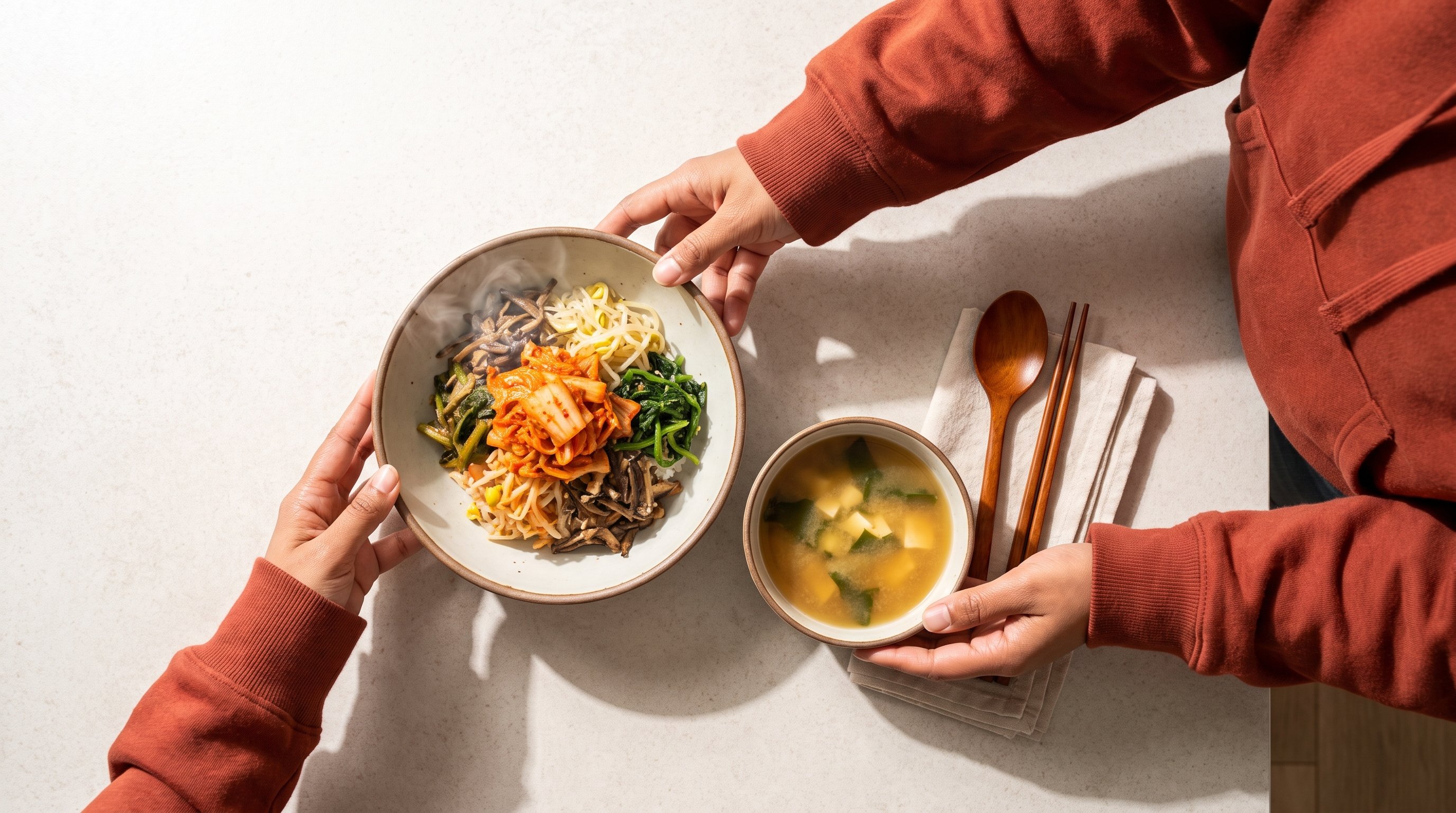
This is where having a plan built around food you already like matters - a meal plan with Korean-inspired recipes can fold fermented ingredients like K-Diet offers into dishes you were going to cook anyway, rather than adding extra steps to your day.
That's the kind of customized meal planning service that ensures fermented foods become part of a normal dinner rather than a separate project.
A Four-Stage Way to Start Eating More Ferments
Stacking small changes in order tends to stick better than trying to add everything in one go.
| Stage | What To Do |
|---|---|
| Stage 1 | Add one ferment you already like to one meal a day |
| Stage 2 | Swap a processed snack for yoghurt or kefir |
| Stage 3 | Add a second ferment to widen variety |
| Stage 4 | Build a rotation across the week so it's automatic |
When a Fermented Foods Habit Starts to Feel Normal
There's no fixed point where this habit suddenly clicks, and that's worth saying plainly rather than promising a date.
For some people, reaching for fermented vegetables or yoghurt becomes automatic fairly quickly; for others it takes longer to feel like a normal part of a meal rather than an extra task.
The honest marker isn't a calendar date - it's whether the food is still in your fridge and still getting eaten a few weeks in, without you having to think hard about it.
Mistakes That Quietly Kill a Fermented Foods Habit
Buying One Jar and Never Finishing It
A jar sitting untouched in the fridge isn't a habit - start with smaller amounts so you actually get through it before it goes off.
Choosing Pasteurised Versions by Accident
Some shelf-stable fermented vegetables are heat-treated and no longer carry live cultures, so check the label for live or active cultures if that matters to you.
Expecting One Food to Fix Everything
A single ferment added to an otherwise unchanged diet isn't going to transform your health on its own - it works best as one part of a varied way of eating.
Giving Up After One Food You Didn't Enjoy
Not every ferment suits every palate, so if kombucha isn't for you, try yoghurt or miso instead of dropping the whole idea.
Treating It As a Weekly Event Instead of Routine
A big batch eaten once a week is less useful than smaller amounts worked into meals you already cook most days.
Letting K-Diet Keep a Fermented Foods List on Your Plate
Keeping fermented foods on your plate regularly is mostly a logistics problem - remembering to buy them, knowing what to cook with them, and fitting them into meals you'll actually finish.
K-Diet's library of Korean diet recipes already leans on fermented ingredients, so a fermented foods list stops being a separate project and becomes part of meals you were planning to cook anyway.
Progress tracking tools can also help you keep tabs on habits like this alongside water, steps and weight, so you can see whether the small changes are actually sticking week to week.
Eat Korean, Lose Weight
Your Korean Diet Plan
Making a Fermented Foods List Part of Your Kitchen
Start with one ferment you already like, keep it stocked, and let a second one join once the first feels automatic.
That slow build is more realistic than trying to overhaul your fridge in a single shop, and a recipe library can make the switch easier by building fermented ingredients into meals you're already planning to cook.
FAQ
Plain yoghurt or kefir tends to be the easiest starting point since they fit into a normal breakfast without changing how you cook. K-Diet users find fermented vegetables are a close second if you already eat rice regularly.
No - there's no rule that says daily is required, and a few times a week worked into meals you already eat is a reasonable approach. Consistency over weeks matters more than hitting a daily target.
Not every fermented food suits every palate, and that's fine - miso stirred into soup or yoghurt blended into a smoothie can be milder ways in. Starting with a food you already know you like beats forcing down one you don't.
Attach the habit to meals you already cook regularly, so it doesn't rely on remembering a separate task. A meal planning service can help by building fermented ingredients into dishes you're already planning to make.
Share this post