Probiotic Foods: The Honest Guide To Eating For Gut Health
By:Author:K-Diet Editorial
Updated on:October 18, 2026
- Do Probiotic Foods Really Change Your Gut Health?
- What Fermentation Actually Does to Your Food
- How Many Servings of Fermented Foods You Need
- Why Food-Based Ferments Beat Relying on Supplements
- Making Fermented Foods Work in a Normal Week
- Can Fermented Foods Fix Digestion Overnight?
- What Actually Changes Your Results From Eating Them
- Mistakes That Undercut a Fermented Foods Habit
- Letting K-Diet Make Fermented Foods Routine
- Starting Your Own Fermented Foods Routine
Fermented foods that carry live bacteria cultures are one of the simplest swaps you can make for everyday digestion.
The mechanism is straightforward: fermentation lets bacteria build up in the food itself, and when you eat it, some of those bacteria survive the trip and add to the mix already living in your gut.
This guide covers what these foods actually do, how much you need, which foods to pick, the mistakes that waste the effort, and how to make the habit stick past week two.
Do Probiotic Foods Really Change Your Gut Health?
Here's the honest version: fermented foods add live bacteria to a gut that already hosts trillions of them, so one serving isn't going to overhaul anything overnight.
What they can do is add variety and volume to that existing population over time, especially if you're eating fermented foods regularly rather than as a one-off.
The arithmetic is simple. A jar of yoghurt or a scoop of kimchi contains a measurable dose of live cultures, but your gut microbiome is a standing population - a single serving is one input among dozens you give it every day through fibre, water, sleep and stress.
Consistency is what shifts the odds, not any single meal.
What Fermentation Actually Does to Your Food
Bacteria Break the Food Down Before You Do
During fermentation, bacteria or yeast feed on sugars in the food and produce acids, which is what gives kimchi its tang and yoghurt its sourness.
That breakdown process is also what creates the live cultures you're after, since the bacteria responsible for the fermentation are often still present and active when you eat the finished product.
Only Some of the Bacteria Survive the Journey
Not every bacterial strain makes it through stomach acid, which is why not all fermented foods carry the same live-culture punch by the time they reach your gut.
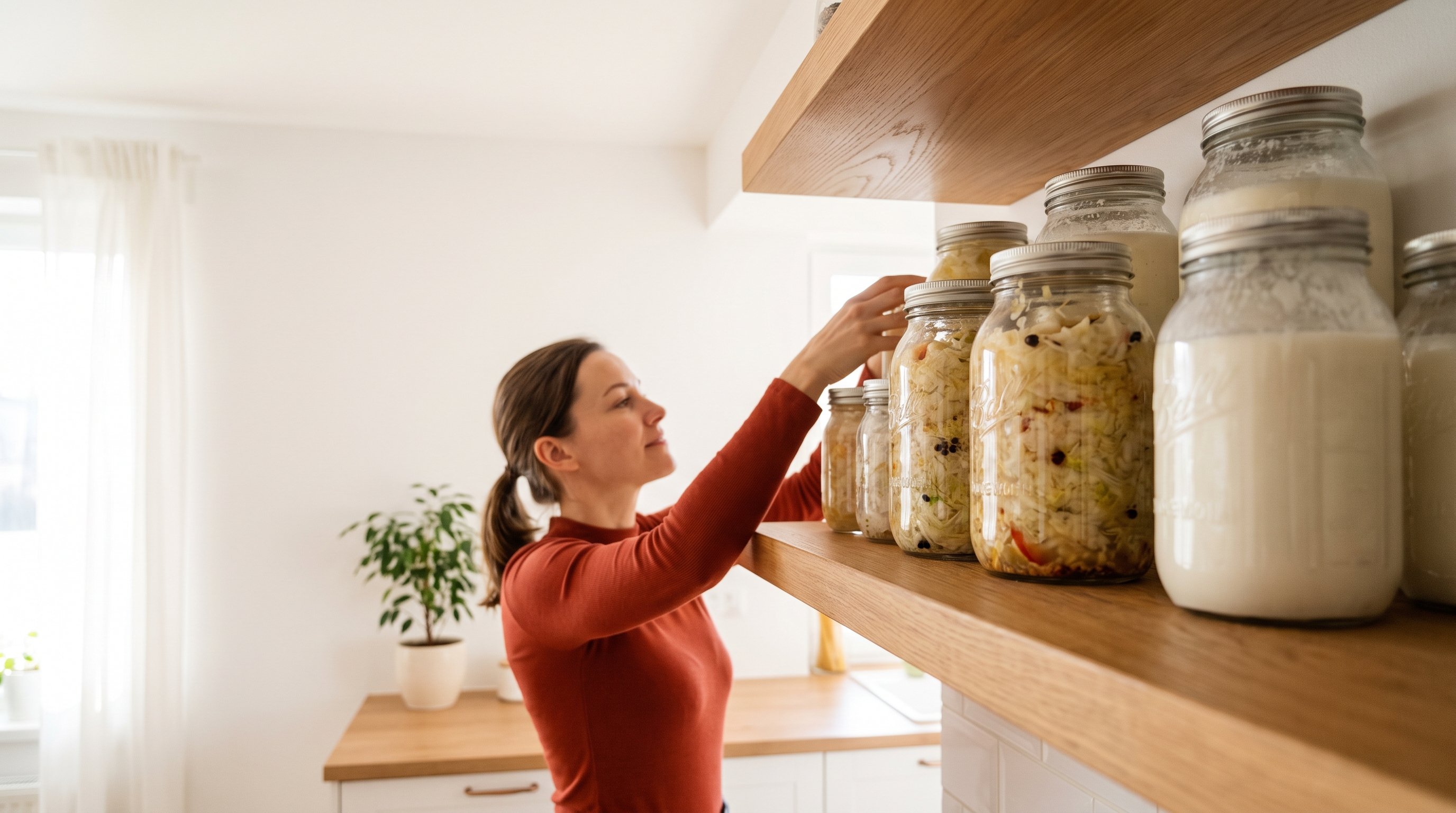
Unpasteurised, refrigerated ferments like live-culture yoghurt or traditionally made kimchi tend to carry more surviving bacteria than heavily processed or heat-treated versions.
How Many Servings of Fermented Foods You Need
A Small, Steady Amount Beats a Single Big Serving
There's no single magic number, but working a serving or two of fermented food into most days is a reasonable, sustainable target rather than trying to eat a huge portion once a week.
Spreading servings across the week also means you're giving your gut a steadier supply rather than one spike followed by nothing.
The table below gives a rough idea of common fermented options and how a serving typically looks in a real meal.
| Food | Typical Serving | When to Eat It |
|---|---|---|
| Live-culture yoghurt | 150-200g | Breakfast or snack |
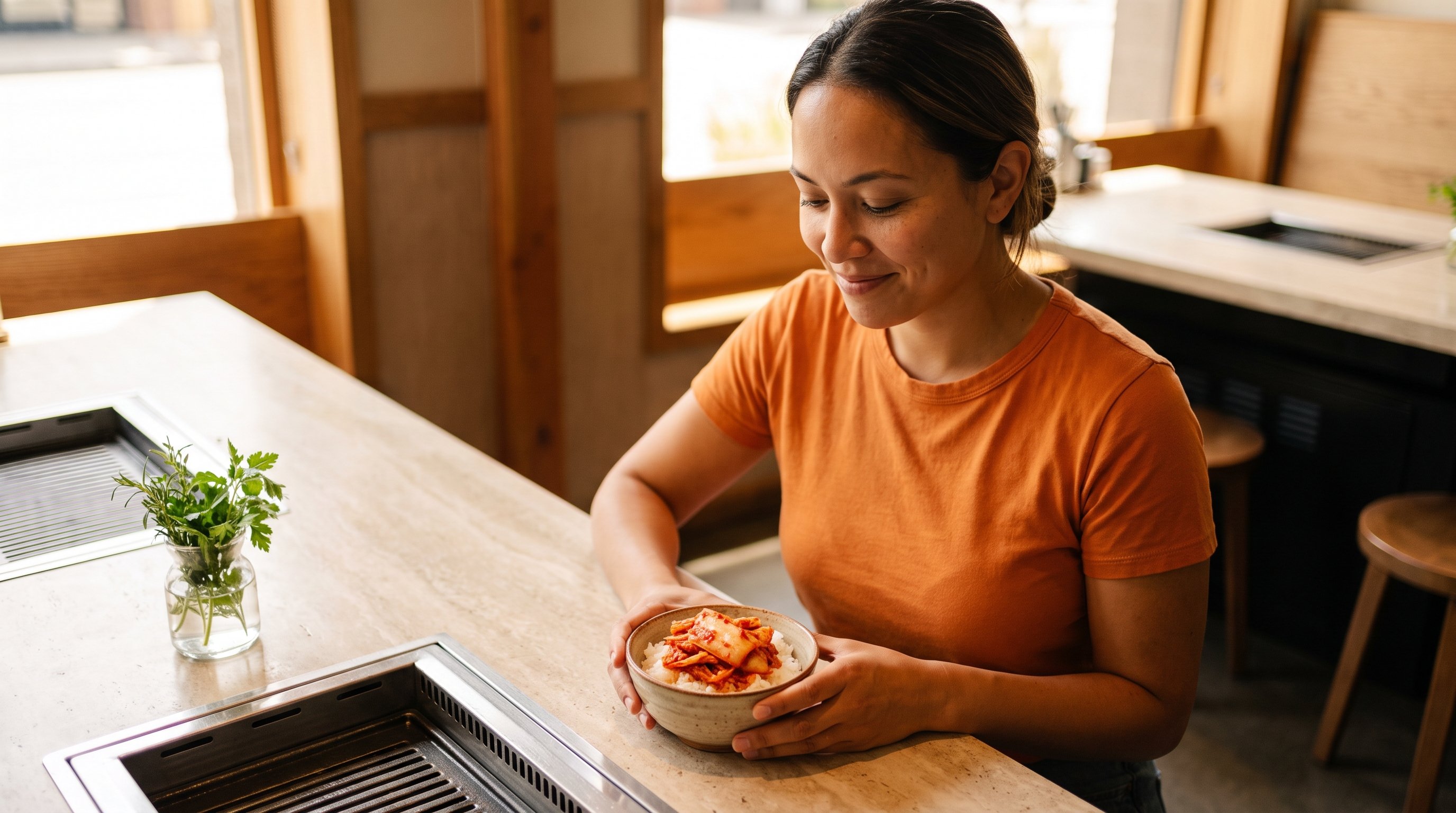
| Kimchi | 2-3 tablespoons | Side with lunch or dinner |
| Kefir | 150-250mL | Morning or post-meal |
| Sauerkraut | 2 tablespoons | Side with dinner |
| Miso | 1 tablespoon paste | Stirred into soup |
Why Food-Based Ferments Beat Relying on Supplements
A probiotic supplement delivers a concentrated dose of specific strains in a capsule, while fermented foods deliver a mixed, naturally occurring dose alongside actual nutrition - fibre, protein, calcium, depending on the food.
The adherence argument favours food: a capsule is easy to forget on the counter, but a spoonful of kimchi on your rice or a yoghurt at breakfast rides along with a meal you were eating anyway.
Supplements aren't wrong, but they ask you to build an entirely new habit from scratch, while fermented foods just slot into meals you already have on the table.
Making Fermented Foods Work in a Normal Week
The easiest way to keep this going is to attach it to meals you're already cooking rather than treating it as a separate task.
Kimchi as a side with dinner, kefir instead of a morning coffee creamer, miso stirred into a soup you were making anyway - none of it needs a new recipe.
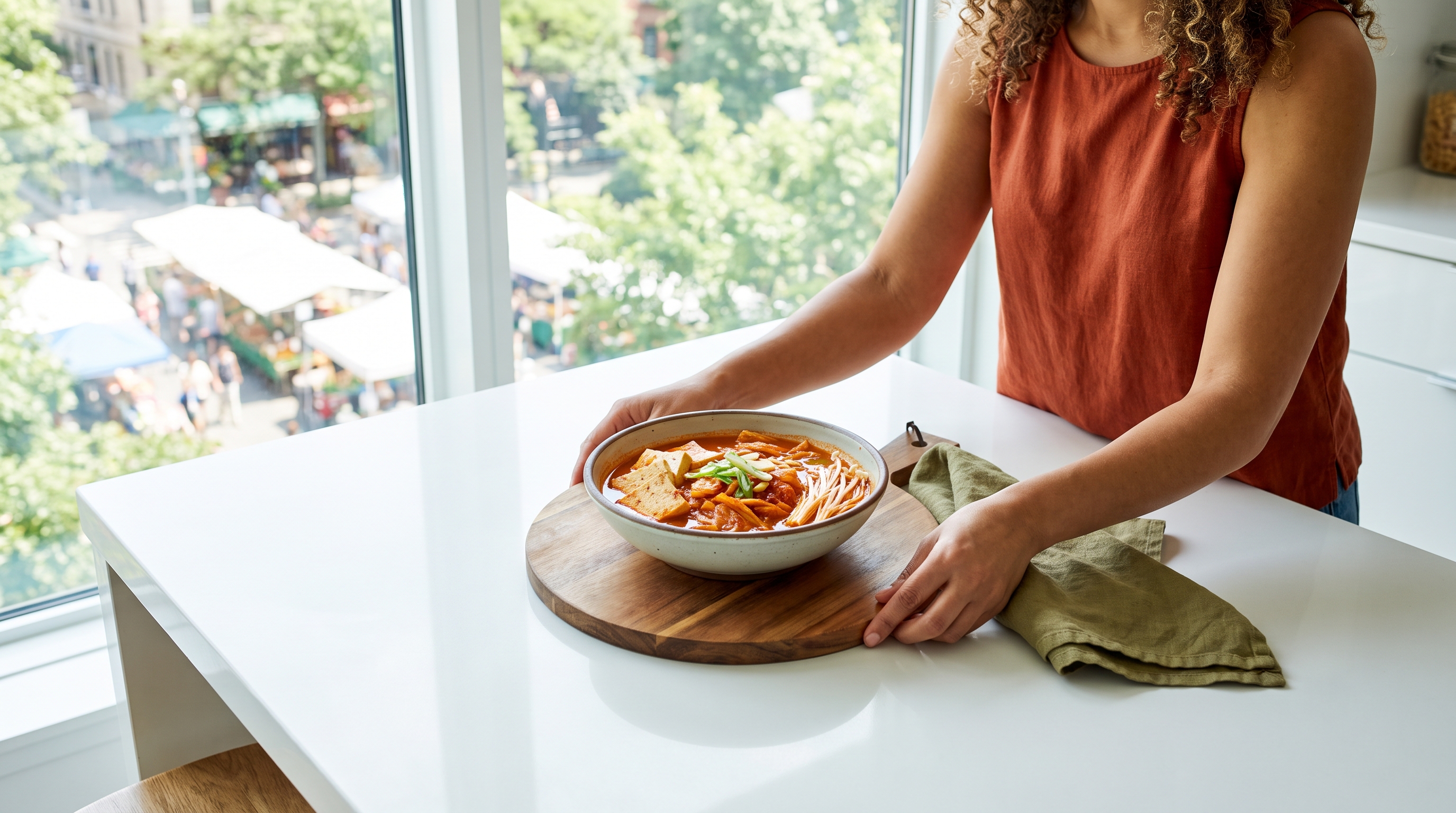
This is where a meal plan built around food you already like makes the habit easier to hold, since K-Diet's recipe library includes Korean-inspired dishes where fermented sides like kimchi are already part of the plate, not an extra chore bolted onto your evening.
Can Fermented Foods Fix Digestion Overnight?
No, and anyone promising an overnight fix on your digestion with one fermented food is overselling it.
Your gut microbiome is shaped by years of diet, sleep, stress and medication history - a jar of kimchi doesn't erase any of that in a day.
The honest answer is that these foods are a small, steady input added to a system that changes slowly, and the benefit shows up as a gradual shift in what's living in your gut, not a dramatic before-and-after.
What Actually Changes Your Results From Eating Them
Three things matter more than which single fermented food you pick.
What Moves the Needle
- Consistency over weeks - a serving most days beats a large batch eaten once and forgotten.
- Variety of foods - rotating between yoghurt, kimchi, kefir and miso exposes your gut to different bacterial strains instead of just one.
- Fibre alongside it - fibre-rich foods feed the bacteria you're adding, so pairing fermented foods with vegetables and whole grains gives those cultures something to work with.
Mistakes That Undercut a Fermented Foods Habit
Buying Pasteurised Versions by Accident
Heat-treated kimchi or shelf-stable sauerkraut often won't carry live cultures, so check the label for 'live cultures' or keep it refrigerated instead of shelf-stable.
Eating One Big Serving Instead of Spreading It Out
A single large portion once a week does less than a smaller amount most days, so aim for little and often rather than a one-off binge.
Skipping Fibre Entirely
Probiotic bacteria need something to feed on once they arrive, so pair fermented foods with vegetables, oats or legumes rather than eating them alone.
Expecting a Fast, Visible Change
Digestion shifts gradually, and giving up after a few days because nothing feels different yet just means missing out on the slow build-up that consistency provides.
Letting K-Diet Make Fermented Foods Routine
Building a habit around fermented foods is easier when the meals are already planned around them instead of you having to remember to add kimchi on top.
K-Diet's library of Korean-inspired recipes already features fermented staples like kimchi and other traditional sides, so the probiotic food is just part of the plate you were going to eat anyway.
Progress tracking tools also let you log meals alongside water and steps, so you can see the habit building over weeks rather than guessing whether you're actually keeping it up.
Eat Korean, Lose Weight
Your Korean Diet Plan
Starting Your Own Fermented Foods Routine
Pick one fermented food you actually enjoy eating and add it to a meal you already cook this week - kimchi on rice, yoghurt at breakfast, kefir instead of a smoothie base.
K-Diet can help keep that habit visible alongside the rest of your meals, so it becomes a normal part of eating rather than a task you have to remember.
FAQ
They can support a more settled digestion over time for some people, but results vary and one serving won't fix bloating that's tied to other causes. Give it weeks of regular eating rather than judging it after one meal.
A supplement is quicker to swallow, but fermented foods ride along with meals you're already eating, which makes them easier to keep up long term. Food also brings fibre and nutrients a capsule doesn't.
Start with milder options like live-culture yoghurt or kefir, which taste closer to familiar dairy, and build up to stronger ferments if you want more variety. There's no single required food - any live-culture option counts.
Attach the food to a meal you already cook every week, so it stops being a separate decision. K-Diet's recipe plans already build fermented sides into regular meals, which removes the need to remember it on your own.
Share this post